
How Do Tankless Water Heaters Work?
Tankless water heaters heat water instantaneously without the use of a storage tank. When a hot water faucet is turned on, cold water flows through... Read More

Same-Day Service Available
Need a Plumber in Knoxville? We’re Ready to Help!




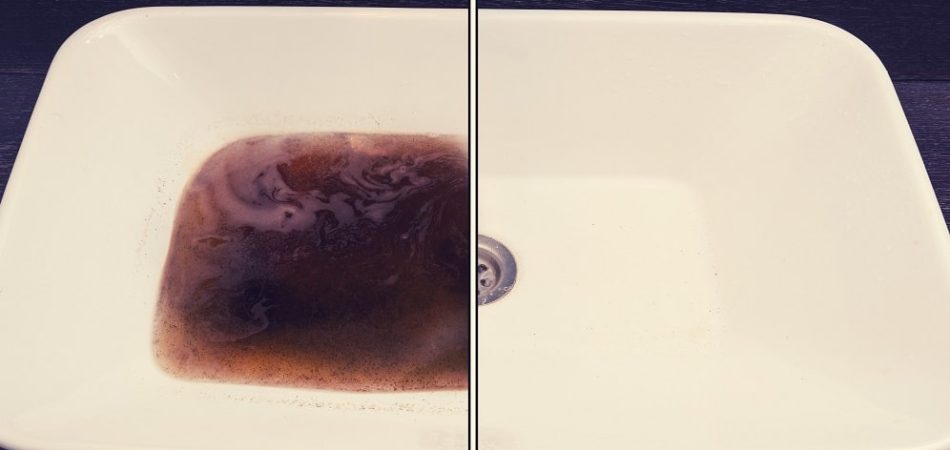
To unclog a bathroom sink, first try a boiling water flush, then a baking soda and vinegar mix, followed by using a plunger. If the clog persists, remove and clean the drain stopper and the P-trap, or use a plumbing snake or wire hanger to physically remove the obstruction.
Unclogging a bathroom sink drain means clearing blockages that prevent water flow and restoring safe drainage through the sink plumbing system. Hair, soap scum, grease, or other debris that collects over time causes a clogged sink.
Quick action prevents more plumbing problems and keeps your sink working. Waiting for clogs to worsen is not smart; follow a step-by-step process instead. These proven steps include basic household remedies and more involved repairs to your sink.
For reliable bathroom sink drain unclogging in Knoxville, Tennessee Standard Plumbing makes the process simple and effective. Following these 10 steps maintains a functioning plumbing system and keeps sinks clear. For professional help with stubborn sink clogs or full drain cleaning services, contact us today.
Remove everything around the sink, including toiletries, towels, or cleaning supplies, so you can access the drain easily. This reduces the risk of spills, accidents, and damage to items.
Practical tips include placing removed items on a tray or counter away from water and wearing gloves to keep your hands clean. From a plumbing perspective, avoid letting tools or debris hit nearby pipes or cabinet joints to keep fittings secure and aligned.
Use a cup, sponge, or small container to scoop out any remaining water in the sink before attempting to unclog the drain. Standing water makes it harder to see the clog and reduces the effectiveness of plunging, snaking, or chemical solutions.
Practical tips include placing towels under the sink to catch spills and wearing gloves for hygiene. Be careful to prevent water from seeping into cabinet joints or around the drain, which could damage the P-trap or seals.
Unscrew the drain stopper and remove any trapped hair, soap scum, or grime. These substances build up on the stopper, slowing drainage and preventing it from sealing properly.
Clean it with a small brush or cloth and check the mechanism for wear. When reinstalling, make sure the stopper is tight, properly sealed, and aligned with the drain to prevent leaks.
Pour a mixture of boiling water and a few drops of dish soap down the drain to dissolve grease, soap scum, and minor blockages. Over time, buildup can lead to major clogs, so this step helps keep the drain clear.
Practical tips include pouring the mixture into a heat-resistant container and avoiding direct contact with PVC pipes to prevent damage. Pour slowly to avoid pressure on joints and to protect pipe seals.
Pour half a cup of baking soda down the drain, followed by half a cup of vinegar. The fizzing reaction helps break down organic matter inside the drain, preventing slow drainage and serious clogs.
Practical tips include covering the drain with a plug to contain the reaction and rinsing with hot water afterward to remove residue. Use moderate amounts to avoid pipe corrosion, and make sure the trap remains properly aligned to prevent leaks.
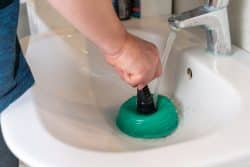
Place a plunger over the drain and pump to create suction that lifts blockages out. This step is important because it clears clogs that cannot be removed by hand.
Practical tips include filling the sink halfway with water for better suction, applying controlled pressure, and repeating as needed. From a plumbing perspective, ensure the plunger fits snugly over the drain and avoid plunging too forcefully, which could loosen pipes or damage fittings.
Insert a zip-it or similar hair removal tool into the drain to pull out hair, soap, and other debris. This prevents slow drainage and recurring clogs.
Practical tips include rotating the tool gently, cleaning debris from it between passes, and wearing gloves for hygiene. Plumbing considerations include keeping the trap aligned and avoiding excessive force that could damage the drain or loosen seals.
Feed a hand or power drain snake into the pipe to reach deeper clogs. This step is important because it clears blockages that plunging or manual tools cannot reach.
Practical tips include feeding the snake slowly, rotating it to break up debris, and wearing gloves to prevent messes. Plumbing considerations include avoiding forceful insertion that could damage pipe walls and ensuring the P-trap and drain fittings remain properly aligned.
Loosen the nuts under the sink to remove the P-trap and clean out trapped debris. This step matters because hair and sediment in the P-trap can block water flow.
Practical tips include placing a bucket underneath to catch water, wearing gloves, and checking the trap for wear. When reassembling, tighten nuts properly, ensure a secure seal, and check alignment to prevent leaks.
Pour an enzyme-based or commercial drain cleaner according to the product instructions to break down any remaining organic material. This helps keep pipes clear and prevents recurring clogs.
Practical tips include wearing gloves, providing proper ventilation, and choosing a product compatible with your pipe material. Plumbing considerations include avoiding overuse (which can corrode older pipes), making sure trap and drain fittings are sealed, and flushing thoroughly with water after application.
A bathroom sink clogs when hair, soap scum, and other debris block the drain, preventing water from flowing properly. Hair tangles stick to the pipe walls and trap additional materials.
Soap scum forms a sticky layer as soap mixes with minerals in water, narrowing the drain over time. Toothpaste, hygiene products, or small objects like cotton balls can harden or get stuck, creating blockages. Food particles or petroleum from rinsing may also cling to pipes and accumulate gradually.
The most common causes of bathroom sink clogs include:
Long hair strands can gather around the bathroom sink stopper and trap soap and dirt. Hair shed during showers or brushing can worsen the blockage over time. This buildup eventually slows drainage and may stop water flow completely.
Soap combines with minerals in water to form a sticky film on pipes. Residual soap from handwashing, combined with body oils, sticks to the drain. Repeated use gradually narrows the pipe, reducing water flow.
Thick toothpaste left after brushing can adhere to drain walls. Over time, layers build up, trapping hair and other debris. Flavored gels and whitening pastes tend to harden faster, which can make clogs worse.
Particles from washing hands, face, or rinsing small items collect in the drain. Sand, makeup residue, and soap bits settle over time, reducing pipe space and slowing drainage. Rinsing with water alone is usually not enough to remove these materials.
Small items such as cotton balls, jewelry, or hairpins accidentally dropped into the sink can become lodged in the drain. These objects trap hair and soap, worsening blockages. Even tiny items, like floss strands, can combine to slow water flow.
Minerals such as calcium and magnesium in hard water gradually form scale on pipes. This rough buildup narrows the drain opening. Over time, small deposits accumulate, reducing drainage efficiency.
Older metal pipes can corrode internally, catching debris more easily. Rust flakes can stick to hair, soap, and other particles, causing clogs faster. Corroded sections may restrict water flow over time.
Pipes that are not angled correctly prevent water from flowing completely. Standing water allows debris to settle, increasing the risk of clogs. Even small misalignments in pipe slope can create persistent slow drainage.
Drains without a hair catcher or that are neglected in cleaning allow these issues to grow. Simple habits, such as using a drain screen and cleaning the sink regularly, can prevent most clogging problems.
A clogged drain needs immediate attention because a slow bathroom drain is an early warning sign of potential blockages, not just a minor inconvenience. Ignoring it allows small clogs to grow, creating bigger problems that affect water flow and the overall plumbing system. Acting quickly helps prevent damage and reduces the effort needed to restore proper drainage.
A blocked drain requires quick action for these reasons:
Hair, soap, and dirt may collect inside pipes and completely block water flow. A complete blockage may require disassembling the drain, or professional tools may be needed to remove it.
When water cannot drain, it may overflow or seep into cabinets, floors, or walls. Standing water can damage wood, drywall, and flooring, creating expensive repair needs.
Trapped debris and stagnant water produce unpleasant smells. Persistent odors indicate bacterial growth and poor hygiene in the sink area.
Blockages increase pressure inside pipes. This can stress joints and connections, causing leaks or pipe bursts that may need replacement.
Debris and water buildup accelerate rust or corrosion inside metal pipes. Over time, weakened pipes are more likely to fail, shortening the lifespan of plumbing infrastructure.
Early intervention is faster, cheaper, and prevents larger plumbing issues. Regular drain maintenance, using a screen, and scheduling timely professional inspections help keep pipes clear and functional, avoiding costly repairs.
Preventing bathroom sink clogs requires consistent habits that keep the drain clear and water flowing freely. Simple steps help avoid blockages, protect plumbing, and reduce costly repairs.
The most powerful ways to prevent bathroom sink clogs include:
Installing a screen catches hair, soap scum, and small debris before they enter the drain. For example, long hair from brushing or washing is trapped on top of the strainer instead of wrapping around the stopper. Proper fit ensures the screen doesn’t shift and still allows normal drainage.
Debris collects quickly, so remove and wash the strainer weekly. This prevents buildup that slows water flow. Maintaining a clean cover avoids minor blockages from becoming serious.
Cooking oils or oily substances solidify inside pipes, narrowing the passage. Wipe grease from utensils before rinsing to protect pipe flow and prevent future clogs.
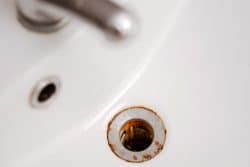
Brush hair away from the sink or use a drain catcher. Even short hairpieces accumulate over time. Preventing hair entry reduces the risk of soap scum entangling and forming tough clogs.
Residue sticks to pipes and mixes with debris. Running water for a few seconds ensures no buildup, maintaining proper drainage and reducing foul odors.
Hot water flushes minor soap or oil deposits along the pipes. A simple daily rinse keeps the drain smooth and prevents gradual accumulation.
Pouring a mixture down the drain loosens early buildup naturally. This eco-friendly routine avoids harsh chemicals and protects pipe surfaces.
Jewelry, caps, or toothpaste caps block drains. Check before rinsing and remove foreign objects to prevent mechanical clogs.
The P-trap collects debris over time. Unscrew, clean, and reassemble properly to maintain a tight seal and prevent leaks.
Routine inspection ensures slow buildup is detected early. Professional cleaning preserves pipe integrity and prevents major blockages.
The most effective tools for unclogging a bathroom drain include plungers, drain snakes, and household solutions. Each tool serves a unique purpose, helping to remove hair, soap, and debris while keeping water flowing smoothly. Using the right tool at the right time makes unclogging easier and prevents pipe damage.
The best tools for unclogging bathroom drains are:
A plunger creates suction that loosens blockages and pushes them down the drain. It works best on shallow clogs where water pools in the sink. Always fill the overflow hole with a wet cloth.
A drain snake reaches deep into pipes to hook or break apart debris. Use it when clogs are too far down for a plunger. Insert the coil slowly, rotate it to grab the clog, then pull it back out.
A straightened wire hanger works as a quick DIY option for pulling out hair and small clumps near the drain opening. Make a small hook at the end to catch buildup, but avoid scratching the drain walls.
A flexible brush scrubs away buildup inside the pipe. It is ideal for routine maintenance and cleaning around the stopper. Run hot water while brushing to flush loosened debris.
This tool uses suction to pull out clogs directly from the drain. Place the hose firmly over the drain and seal with a wet rag for maximum suction. It works well for loose hair and standing water removal.
Chemicals dissolve hair and grease but should be used sparingly to protect pipes. Always follow label directions, wear gloves, and never mix with other cleaners. Use as a last resort for stubborn clogs.
This natural mix creates fizzing action that loosens minor buildup. Pour baking soda first, then vinegar, and flush with hot water. It is safe for regular use and helps keep pipes fresh.
A plastic strip with small barbs designed to grab hair from the drain. Insert it into the opening, pull back, and discard the debris. It is cheap, reusable, and very effective for bathroom sinks.
A pipe wrench is needed to remove the P-trap under the sink. Use it when clogs are stuck inside the trap and cannot be reached with other tools. Always re-tighten the trap securely to prevent leaks.
Advanced tools for removing stubborn clogs include motorized drain snakes, hydro jet machines, and video inspection cameras. These go beyond basic household methods and are typically used by trained plumbers, as they require skill, precision, and safety awareness.
The advanced tools that can remove stubborn clogs are:
These advanced tools are designed for professionals due to their complexity and power. Attempting to use them without training risks pipe damage or worsening the problem, making timely professional service the safest choice.
The benefits of DIY unclogging methods include saving money, providing quick relief, and using simple, eco-friendly solutions that help keep drains clear. They also prevent costly repairs, strengthen basic household plumbing knowledge, and offer flexibility in handling different clog levels.
The benefits of DIY unclogging methods include:
DIY unclogging offers many advantages, but repeated failures mean the clog is too complex. At that point, stop to prevent pipe damage and let a professional handle the repair.
DIY unclogging methods have their limitations; they’re often temporary fixes, can be misapplied, and lack the depth needed for serious plumbing issues. These methods are useful for minor clogs but are not meant to replace professional care when blockages are severe or recurrent. Some drawbacks of unclogging drains yourself include:
To unclog a bathroom sink drain, it’s best to call a professional plumber for problems that go beyond basic DIY fixes. Professionals ensure long-term solutions and protect your pipes. Contacting a plumber becomes important when clogs indicate deeper issues, involve multiple drains, or carry risks of hidden damage.
You should call a plumber to unclog your bathroom sink drain when:
 Recurring clogs despite repeated DIY attempts: If a sink continues to clog after plunging, snaking, or cleaning, debris may be lodged deeper than home tools can reach. A plumber uses advanced inspection cameras and high-power tools to clear the full blockage.
Plumbers use these warning signs to determine the cause and severity of clogs, preventing pipe damage that can result from aggressive DIY methods. For persistent or severe clogs that DIY strategies fail to resolve—or even worsen—professional help is the only safe and lasting solution.
Tennessee Standard Plumbing is the trusted local expert in Tennessee, providing reliable drain cleaning, advanced clog removal, and complete plumbing diagnostics. With fast response times, upfront pricing, and cutting-edge equipment, Tennessee Standard Plumbing restores bathroom and household drains quickly and effectively.
Look for signs such as water draining slowly, pooling in the basin, or gurgling sounds. Foul scents and standing water around the drain are also clear indicators of a clog.
No, a clogged sink does not fix itself. Blockages worsen as debris accumulates, slowing drainage and potentially damaging pipes. Timely cleaning or professional service is required.
Clean your bathroom sink drain every one to two weeks. Regular maintenance prevents hair, soap scum, and toothpaste residue from building up, reducing clogs and maintaining steady water flow.
A cup plunger works best. Its flat rubber cup creates a strong seal over the drain, helping push air and pressure through the pipe to loosen clogs effectively.
Yes, using extreme force can damage sink pipes. Excessive plunging may loosen seals or joints. Controlled pressure clears clogs safely.
Baking soda, vinegar, boiling water, dish soap, and a wire hanger are simple tools that can loosen grease, dissolve residue, and pull out hair or debris.
Yes, they create a fizzing reaction that breaks down buildup. This natural mix is safe, cost-effective, and best for light to moderate clogs.
No, chemical drain cleaners can corrode pipes, damage finishes, and release toxic fumes. Safer options like baking soda, vinegar, or professional drain cleaning protect plumbing while clearing clogs effectively.
Pour boiling water with dish soap to melt grease, flush pipes after a baking soda and vinegar treatment, or use repeated hot water bursts to dislodge residue.
A mix of baking soda and vinegar followed by hot water dissolves debris, neutralizes odors, and keeps drains clear without harmful chemicals.
Block the overflow hole with a wet cloth, fill the basin with water, and press the cup plunger firmly over the drain in repeated motions until water flows freely.


Tankless water heaters heat water instantaneously without the use of a storage tank. When a hot water faucet is turned on, cold water flows through... Read More
Main sewer line replacement is a critical task that homeowners may face at some point. The main sewer line is a crucial component of a home's plumb... Read More
Many people suffer from terrible water pressure without realizing that it can be easily solved by a plumbing expert. Many of the homes where we ... Read More