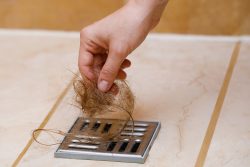
To quickly unclog a shower drain, first, clear the visible hair and debris then pour boiling water down the drain to loosen the clog, then try pouring a mixture of one cup of baking soda followed by one cup of vinegar to help break up soap scum and hair. If the clog remains, use a plunger or a plumber’s snake to physically remove the blockage. For persistent clogs, a chemical drain cleaner or professional plumber may be necessary.
Quickly unclog a shower drain by removing blockages and restoring clear flow safely into the plumbing system. Hair, soap, and dirt collect inside the drain. This buildup slows water movement and creates standing water. A blocked drain also spreads bad smells. Simple tools and safe household items clear the passage. Regular unclogging keeps water flowing smoothly. It also protects the pipe from damage and stops bacterial growth.
Here are the key steps to follow:
Step 1: Remove the Drain Cover
A drain cover is a small metal or plastic cover. It stops hair and debris from entering the pipe. Remove it to expose the drain opening.
Step 2: Clear Visible Hair and Debris
Hair and dirt sit near the top of the drain. Pull them out with your hands or a small brush.
Step 3: Pour Boiling Water Down the Drain
Boiling water softens grease and soap scum. It breaks light blockages and moves them further down.
Step 4: Add Baking Soda and Vinegar Mixture
Baking soda and vinegar react to form bubbles. This reaction loosens dirt and kills bacteria.
Step 5: Wait 15-20 Minutes for the Reaction
The mixture works better when left alone. This break allows time for the fizz to clear the buildup.
Step 6: Flush with Hot Water
Hot water rinses away the loosened dirt. It clears the mixture and moves debris out.
Step 7: Use a Plunger to Dislodge Deeper Clogs
A plunger creates suction and pressure. This movement pushes stuck clogs out of the pipe.
Step 8: Insert a Drain Snake to Remove Remaining Blockages
A drain snake is a flexible tool with a coil. It reaches deeper blockages and pulls them out.
Step 9: Rinse Again with Hot Water
Final rinsing removes leftover particles. It leaves the drain clear and fresh.
Step 10: Replace the Drain Cover
Put the cover back in place. It protects the drain and reduces future buildup.
TN Standard provides trusted plumbing services. The team fixes leaks, installs new lines, and clears drains with skill. Their work keeps homes safe and water systems strong. The company values quality, quick response, and long-lasting solutions.
Step 1: Remove the Drain Cover
Removing the drain cover means taking off the guard that is on top of the shower drain. This step opens access to the pipe so the cleaning process starts at the entry point. Removing the cover keeps the work safe and avoids forcing debris deeper inside.
A screwdriver helps loosen fixed covers, while others can be lifted straight by hand. Place the cover aside to prevent misplacing it. For plumbing safety, check the edges of the opening for cracks or loose screws. Proper reinstallation later keeps the drain aligned and the water-tight seal in place.
Step 2: Clear Visible Hair and Debris
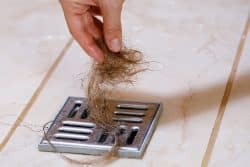 Clear visible hair and Debris means pulling out hair strands, soap scum, and small waste sitting at the top of the drain. This is the first cleaning step that removes the material blocking water flow. Clearing early prevents deeper clogs that can strain the pipe. Use gloves or a small hook tool to handle waste safely.
Always throw the debris in a bin, never push it back down. At this stage, check that the rim around the drain is smooth and free of damage. Keeping the entry clean helps maintain the seal and keeps the system flowing freely.
Step 3: Pour Boiling Water Down the Drain
Pour boiling water down the drain means to slowly add hot water directly into the pipe. This melts grease, softens soap residue, and loosens light blockages stuck to the walls. Regular hot flushes prevent buildup and support smooth water movement.
Always carry water with caution to avoid burns, and pour in stages for safer control. Use a kettle or heat-safe jug for safety. Plumbing guidelines recommend hot water flushing as a safe, chemical-free method. This practice helps keep joints tight and reduces the chance of early pipe wear.
Step 4: Add Baking Soda and Vinegar Mixture
Add baking soda and vinegar mixture means to apply a natural cleaner (baking soda + vinegar) inside the drain to create a fizzing reaction. Baking soda loosens dirt while vinegar dissolves organic matter. This reaction helps break clogs without harming pipes. Mix half a cup of baking soda followed by an equal amount of vinegar. Cover the opening briefly to trap the fizz inside.
Handle ingredients with care to avoid spills. Professional plumbers approve this method as it is safe for seals and does not disturb drain alignment. After reaction, pipes stay cleaner and odour-free.
Step 5: Wait 15–20 Minutes for The Reaction
Wait 15–20 minutes for the reaction, which means letting the mixture sit in the drain so it can dissolve blockages fully. This gives enough time for the fizz to coat the pipe walls and break the residue. Skipping this stage weakens the cleaning effect.
During this waiting period, avoid running any water into the drain. Use a timer to keep track and save effort. This step ensures the solution works deeply without disturbing seals or pushing waste to misaligned joints.
Step 6: Flush with Hot Water
Flush with hot water means to rinse the drain after the baking soda and vinegar reaction has finished. The hot water carries loosened dirt away and clears the line fully. This step maintains pipe health and avoids chemical buildup.
Pour the hot water with care and small breaks to prevent splashing. Repeating the flush once more strengthens results. Plumbers recommend hot flushing to maintain correct pipe alignment and stop clogs from reforming. Strong flushing also confirms the water-tight seal is holding properly.
Step 7: Use a Plunger to Dislodge Deeper Clogs
Use a plunger to dislodge deeper clogs, as it is a suction tool over the drain to create water pressure that pushes and pulls inside the pipe. This pressure breaks heavy clogs stuck deeper. A plunger is safe and avoids harsh chemical use. Place the plunger firmly to create a tight seal and work in short strokes for best results.
Keep the tool clean to prevent bacterial spread. Plumbing practice supports plunger use as it protects seals and joints from cracking under pressure. A good seal during plunging ensures strong suction and safe alignment.
Step 8: Insert a Drain Snake to Remove Remaining Blockages
Insert a drain snake to remove remaining blockages, which means sliding a flexible wire tool into the drain to hook or twist around trapped debris. This tool reaches deeper than plungers and removes stubborn clogs. Rotate gently to catch waste, then pull it out instead of forcing it down.
Wipe the tool after every use to keep it effective. For plumbing care, avoid scratching pipe walls by working slowly. Drain snakes support proper alignment by removing waste fully instead of letting it stick near joints.
Step 9: Rinse Again with Hot Water
Rinse again with hot water means repeating the hot pour after mechanical cleaning with a plunger or snake. This second flush clears leftover dirt and sanitises the pipe walls. Hot water also removes germs that linger after debris is taken out.
Pour consistently and allow the water to run for several seconds. A heat-safe jug helps avoid accidents. This rinse confirms water moves freely and shows if the seal is holding strong. It also keeps the alignment steady by removing friction inside the pipe.
Step 10: Replace the Drain Cover
Replace the drain cover means reattaching the guard over the drain opening after cleaning. This protects the entry from new debris and restores a neat finish. A tight cover keeps pests and dirt out of the pipe. Place screws firmly with a screwdriver, or press the cover until it sits flat. Check that the cover is level and steady. A properly fitted cover ensures the water-tight seal remains secure and the drain alignment is not disturbed.
How does a shower drain become clogged?
A shower drain becomes clogged due to hair, soap, and dirt that slide down daily. These materials stick to pipe walls and form layers. Each layer makes the pipe smaller and slows water flow. Without cleaning, more debris sticks to the building, and the block gets worse. Hard water minerals and even slimy biofilm from bacteria also add to it. Knowing these buildups early helps homeowners take steps before a big clog forms.
How Can You Tell If Your Shower Drain Is Clogged?
You can tell if your shower drain is clogged by checking these signs. These are the signs that show up before a full block forms.
- Slow-draining water
This means water moves down more slowly than normal. For example, if water still pools minutes after turning off the shower, a clog is forming. Early cleaning helps remove buildup before it hardens. - Standing water in the shower
This means water stays collected around your feet. For example, after the shower ends, the water sits without moving. Early action clears soft debris, while ignored cases may require a plumber’s help. - Gurgling sounds from the drain
This means trapped air pushes through water. For example, bubbling or choking sounds come when water flows down. Spotting this early makes unclogging easier before a bigger block appears. - Unpleasant odors from the drain
This means rotting debris or soap scum releases a smell. For example, foul air rises right after turning on the water. Cleaning at this stage prevents stronger buildup inside pipes. - Water is backing up in other fixtures.
This means a clog affects more than one line. For example, water comes up in the sink or tub while the shower runs. Such signs show a deeper block, which may need expert care. - Bubbling toilet or sink
This means shared pipes feel pressure. For example, bubbles rise in the toilet or sink during a shower. Catching it fast allows easy unclogging before pipe pressure grows worse. - Visible debris or hair near the drain opening
This means hair, soap, and dirt sit on the cover. For example, hair gathers at the grate after each shower. Removing it right away keeps pipes clear and avoids a bigger mess.
Inspect your drain regularly, because spotting these signs early makes fixing easier and stops heavy clogging later.
What Tools Are Best For Unclogging A Shower Drain?
The best tools for unclogging a shower drain are a plunger, a drain snake, and a zip-it tool. These handle most blockages at home and clear common buildup fast. For harder clogs, simple items like a wet/dry vacuum or cleaning brush also give quick help.
The following is the list of tools for unclogging a shower drain:
- Plunger
A plunger is a rubber cup on a stick. It works by creating suction that moves water and loosens the clog. Use strong, steady pumps over the drain to break soft blockages near the opening. - Drain snake (hand auger)
A drain snake is a long, flexible metal wire. It reaches deep inside the pipe and hooks or breaks the clog. Use it when the buildup is deeper than hand reach and twist it gently while pushing forward. - Zip-it drain cleaning tool
This is a thin plastic strip with barbs. It grabs hair and soap near the surface of the drain. Slide it down slowly, then pull it out with the collected debris. It is safe for quick cleaning. - Wet/dry vacuum
This is a machine that sucks up water and debris. It pulls clogs out by a strong suction force. Place the hose over the drain opening and seal it tight before turning the vacuum on. - Drain cleaning brush
This is a hard-bristle brush on a handle. It scrubs dirt and soap scum from pipe walls. Push the brush inside and rotate in circles to loosen sticky buildup. - Chemical drain cleaner (use with caution)
This is a liquid that dissolves hair and grease. It works by breaking the clog into smaller pieces. Pour slowly into the drain and wait as directed, but always wear gloves for safety. - Baking soda and vinegar
This is a natural mix that foams when combined. The reaction loosens soft clogs and freshens the smell. Pour baking soda first, then vinegar, then flush with hot water after the fizzing stops. - Pipe wrench (for removing trap if needed)
A pipe wrench is a heavy tool with jaws. It opens or loosens metal fittings under the sink. Use it to remove the P-trap and clean out hard blockages stuck in the bend.
How Do You Prevent Future Shower Drain Clogs?
Prevent future shower drain clogs with regular maintenance and use protective tools. Simple habits lower block risks and keep water flowing smoothly. Regular checks also stop bad smells and prevent clogged drains. Proactive care saves money by avoiding sudden emergency repairs in the bathroom.
These are the following steps to prevent future shower drain clogs:
- Regular Cleaning
Regular cleaning means removing hair, dirt, and soap from the drain every few days. This habit reduces buildup inside pipes and helps water pass freely without slow spots. - Hair Catchers
Hair catchers cover the drain opening and trap hair before it enters pipes. Using them daily keeps drains clear longer and lowers the chance of block layers forming. - Natural Drain Cleaners
Natural cleaners like baking soda and vinegar break down soft buildup inside pipes. They keep drains fresh, avoid harsh chemicals, and extend the life of plumbing. - Pre-Shower Preparation
Pre-shower preparation means brushing loose hair before stepping in. This lowers hair entering the drain, which reduces clogging and keeps water moving fast. - Avoid Pouring Grease and Oils
Grease and oils turn solid once inside pipes. They trap dirt and hair on their sticky surface, which blocks drains over time. Keeping them out saves plumbing from major damage.
What Are The Most Common Mistakes When Unclogging A Drain?
The common mistakes when unclogging a drain are using harsh methods, skipping checks, and rushing the job. These mistakes damage pipes, waste effort, and bring back clogs again. A slow and safe process avoids repair costs and keeps water flowing smoothly.
Below are the listed common mistakes during unclogging a drain:
- Using excessive chemical cleaners
Pouring too many chemicals makes pipes weak and creates toxic fumes in your bathroom. The clog also stays inside when the chemical burns only part of it. The safer step is to use one round only, then switch to a plunger or snake. This way, you avoid harm and still target the blockage directly. - Forcing tools and damaging pipes
Jamming a tool with pressure scratches or bends the inside of the pipe. The drain looks clear for a day, but cracks and leaks start later. Always use the tool gently and let it move with the natural shape of the pipe. The clog clears better when the tool works smoothly instead of being forced. - Skipping protective gear
Working without gear makes every step risky when you deal with chemicals or sharp tools. Gloves, a face mask, and eyeglasses protect against splashes and smells. Small items like these give you confidence and let you finish the job with less stress. Skipping them makes the whole task unsafe and unpleasant. - Not removing visible debris first.
Hair and soap near the drain mouth block deeper tools from reaching inside. Leaving them in place wastes time and gives you poor results. Always clear the surface debris with your hands or a brush before using other tools. This small step makes the whole process of unclogging faster and smoother. - Using the wrong size drain snake
A snake that is too large scratches the pipe walls, and a smaller one misses the clog. Both end up useless and create more frustration. Choose the right size tool for your drain before you start. The correct fit grips the blockage and clears it in fewer tries. - Over-tightening pipe fittings
Turning a wrench too hard cracks fittings and creates hidden leaks. The joint works better when snug, not forced. Check the seal gently after tightening and stop at the right grip. A small leak now saves you from a full repair later. - Neglecting to check the P-trap
The P-trap under the sink or shower line often holds the clog. Many skip this step and waste time fighting the pipe deeper down. Take the trap off, rinse it, and clear the debris before using tools inside the pipe. This one step fixes more blockages than many chemicals combined. - Rushing the process without diagnosing the clog
Rushing to the solution overlooks the root cause of the problem. A clog near the surface needs simple removal, while deeper clogs need a snake. Always check where water slows before using a tool. A calm check saves effort and makes your work more effective.
End the process with a clean check of water flow and tool storage. Follow each step in order and avoid quick fixes. For tough clogs that return again, it is better to call a plumber than risk more pipe damage.
How do professional plumbers unclog shower drains?
Professional plumbers unclog shower drains with a mix of inspection, hand tools, plungers, drain snakes, hydro jetting, safe chemicals, and pipe disassembly when required. They follow a step-by-step process that clears the clog fully without breaking the pipes. This systematic method keeps water flow smooth, avoids hidden damage, and saves homeowners from the same problems.
The plumbers take the following steps to unclog a shower drain:
Drain Inspection Using A Flashlight Or Camera
Drain inspection using a flashlight or camera is the initial step to start this process. Plumbers check the drain mouth and deeper lines to see where the clog sits. A small camera also shows if the blockage is hair, grease, soap, or mineral buildup. Knowing the type and location makes the next step faster and safer.
Manual Removal Of Surface Debris
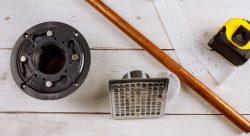 Manual removal of surface debris is the next step. Hair, soap chunks, or toys near the opening are pulled out with hooks or hand tools. This clears the way for other tools to reach deeper without getting blocked again. Even small debris at the surface can slow water, so plumbers remove it first.
Plunger Application
A plunger is used by plumbers for shallow clogs. The plunger creates pressure and suction that shakes loose soft buildup close to the drain. This works well for new or small blockages caused by hair and soap. Using steady pushes makes the water pull the clog out without any pipe stress.
Drain Snake Or Auger
Plumbers insert a drain snake or auger when the blockage is deeper. The snake twists into the pipe and grabs or breaks the clog. Some snakes are hand-powered, while others are motor-driven for heavy buildup. This tool removes hairballs and soap masses that normal plungers fail to move.
Hydro Jetting
Hydro jetting is used for stronger blockages. A jet hose sprays water at high pressure inside the pipe. The stream scrubs away grease, sand, and minerals that block the pipe walls. Hydro jetting clears the pipe fully, leaving it almost like new. DIY methods never match this deep clean.
Safe Chemical Treatments
Safe chemical treatments are sometimes applied to make the process smooth. Unlike store chemicals, these professional solutions protect the pipe and target buildup without harsh burning. They use just the right amount to dissolve grease or soap film. This step is used carefully and only when other tools do not reach a fine buildup.
Pipe Disassembly
Pipe disassembly is performed as a last step by plumbers. The P-trap or other pipe sections are unscrewed and washed by hand. This clears anything stuck that no tool could pull out from above. It takes more time but leaves the line fully clean and ready for smooth water flow.
Each of these techniques ensures the clog is removed without cracking pipes or creating leaks. Unlike aggressive DIY attempts, professional work solves the root of the problem instead of pushing it deeper.
Tennesse Standard Plumbing delivers expert drain cleaning and advanced plumbing care. They use the latest tools, like camera inspection and hydro jetting, to fix even the hardest shower drain issues. Same-day service, clear pricing, and skilled plumbers give homeowners peace of mind. From simple hair clogs to full pipe blockages, TN Standard is the trusted choice for quick, safe, and lasting results.
Frequently Asked Questions
-
How do I use a plunger to unclog a shower drain?
Yes. You use a plunger to unclog a shower drain near the surface. It works best for light clogs near the surface. Place the rubber cup flat on the drain opening. Add water till the cup is fully submerged. Press down and pull up quickly to create suction. Repeat this many times to shake hair or soap loose. Remove any debris after the water drains fast. Clean the plunger after use.
-
How do I use a shower drain auger?
Use a shower drain auger by inserting the end slowly into the drain opening. Rotate the handle while pushing further down. The coil hooks or breaks clogs like hair bundles. Pull the auger out carefully and clean debris stuck to it. Flush hot water to wash smaller particles. A drain auger goes deeper than a plunger. Always use steady pressure, not force, to avoid pipe damage.
-
How do I prevent hair from clogging my shower drain?
To prevent hair from clogging the shower drain, use a drain screen or catcher on the drain. It traps most hair before it goes down. Brush your hair before showering to reduce loose strands. Always clean the catcher after every shower. Never push hair into the drain with your foot. These small daily steps keep your shower drain flowing smoothly for a long time.
-
Can a clogged shower drain fix itself?
No. A clogged drain can not fix itself. Hair and soap only stick tighter with time. Standing water also increases bacteria and smell. Some small blockages may shift a little, but they form again. The only safe way is manual removal with tools or safe cleaners. For repeated clogs, a plumber clears deep buildup completely and restores smooth drainage.
-
What’s the best way to use a drain snake?
The best way to use a drain snake is to insert it slowly into the drain opening. Rotate the handle so the coil grabs the clog. Pull it out carefully to remove stuck hair or soap lumps. Always clean the snake after use. Flush the drain with hot water to clear loose debris. Avoid using the wrong size snake to protect the pipes.
-
What’s the best way to clean your clogged shower drain?
The best way to clean your clogged shower drain is to start manually removing the visible hair or soap. Use a plunger for shallow clogs. Insert a drain snake for deeper blockage. Flush hot water after each step to wash particles. Do not pour too much chemical cleaner. Severe or repeated clogs require plumber tools like hydro jetting for safe removal.
-
What’s the best drain cover to stop clogs?
The best drain cover to stop clogs is a hair catcher or strainer. These covers sit right on top of the drain opening. Small holes allow water to flow while blocking hair and dirt. Choose a stainless steel or silicone one for easy cleaning. Wash the cover daily to keep it clear. A simple cover reduces most blockages without heavy tools or chemicals.
-
What’s the best non-toxic drain cleaner?
The best non-toxic drain cleaner is baking soda and vinegar. They are safe cleaners. Pour baking soda into the drain first. Add vinegar slowly to create fizz. This reaction loosens dirt and light soap buildup. Wait 15-20 minutes, then flush with hot water. Salt and boiling water also help for mild clogs. These natural ways keep the drain clear without harsh chemicals damaging your pipes.
-
Are chemical drain cleaners safe for shower drains?
No. Chemical drain cleaners are not safe because they damage pipes over time. They also release fumes that are unsafe to breathe. Chemicals may not even remove hair fully. Instead, they burn through water and sit in the pipe. The safer choice is manual cleaning, drain snakes, or natural solutions. Professionals use special pipe-safe cleaners only when other methods fail to protect the system.
-
How does shampoo affect drain clogs?
Shampoo affects the drain clogs as the liquid sticks to hair and dirt, forming sticky buildup. Over time, this mixture blocks water flow in the pipe. Using too much shampoo makes clogs worse. Choose lighter formulas and rinse drains with hot water after showering. Regular cleaning helps stop shampoo and hair from creating strong blockages inside.
-
Can soap cause shower drain clogs?
Yes. Soap causes shower drain clogs and creates a residue called soap scum. This residue mixes with hair and dirt. Over weeks, it builds up inside pipes and blocks water flow. Bar soaps with heavy fats leave stronger scum than liquid ones. Clean visible soap around the drain daily. Flush the shower with hot water often. This simple care prevents soap clogs from forming inside.
-
Can I use salt to unclog a shower drain?
Yes. You can use salt to unclog a shower drain, as it helps clear minor buildup in drains. Pour half a cup of salt into the drain. Add hot water slowly to push it down. The rough texture scrubs dirt and grease inside the pipe. Salt works best for small clogs, not heavy ones. Combine with vinegar for a stronger effect. This method keeps drains cleaner without harsh chemical cleaners.
-
Can boiling water unclog a shower drain?
Yes. Boiling water unclogs a shower drain as it helps with light grease and soap buildup. Heat melts and flushes soft blockages. Pour water slowly in two or three rounds for a better effect. Never use boiling water on PVC pipes, as it may soften them. This method only clears light clogs. Hair or hard blockages still need manual tools or plumbing services for full cleaning.