Table of Contents
- Key Takeaways
- How Tankless and Traditional Water Heaters Work
- Energy Use in Knoxville Homes
- Environmental Impact
- Durability and Maintenance
- Water Quality and Performance in Knoxville
- Warranty and Support
- Choosing the Right System for Your Knoxville Home
- Still Not Sure What’s Right for You?
If you’re living in Knoxville, TN, and trying to decide between a tankless water heater or a traditional model, you’re not alone. It’s a common question we hear at Tennessee Standard Plumbing. While both systems heat water effectively, they function very differently and serve different types of households.
Your decision depends on how much hot water you use, the size of your home, your plumbing system, and how much you’re comfortable investing upfront. If you need help choosing the right option, reach out to us at Tennessee Standard Plumbing. We’ll walk you through the details and make sure your setup fits your needs from the start.
Let’s take a closer look at how these two water heater types differ and what you should think about when deciding.
Key Takeaways
- Tankless water heaters heat water only when needed, offering higher energy efficiency and longer service life.
- Traditional storage tank heaters store hot water in advance but use more energy and have shorter lifespans.
- Homes with high hot water demand at once may benefit from traditional systems, while smaller households or staggered usage suit tankless models.
- Tankless units can save $100–$120 per year on energy costs in homes with moderate water usage.
- Hard water in Knoxville affects both systems, requiring regular maintenance like flushing and descaling.
- Tankless systems may require plumbing or gas line modifications, but they also last 20+ years and take up less space.
- Traditional systems are less expensive upfront but typically need replacing after 10–15 years.
- Tennessee Standard Plumbing provides honest advice, professional installation, and ongoing support across Knoxville, TN.
How Tankless and Traditional Water Heaters Work
Most homes in Knoxville use either a traditional storage tank water heater or a tankless model. Both systems serve the same purpose, but they operate in different ways.
Traditional Water Heaters
A traditional system stores hot water in a tank, usually holding between 30 to 50 gallons. The water is preheated and kept hot until it’s needed. Once the hot water runs out, the tank refills with cold water, and the system heats it again.
These units are typically more affordable upfront. They’re simple to install and widely used throughout Knoxville. However, since they maintain hot water around the clock, they tend to use more energy. The average lifespan of a storage tank water heater is about 10 to 15 years.
Tankless Water Heaters
 Tankless systems heat water only when you turn on a faucet. There’s no tank to store hot water. Instead, cold water flows through a heating unit, delivering hot water on demand. These systems are often called on-demand water heaters.
They’re more energy-efficient and take up less space. Many tankless units last 20 years or more. They’re ideal for smaller households or homes with moderate water use. Flow rates range from 2 to 5 gallons per minute, which covers most daily needs.
Energy Use in Knoxville Homes
Energy efficiency is a big deal when choosing a water heater. A more efficient system helps lower your monthly utility bills and reduces unnecessary energy waste.
Tankless Models Use Less Energy
Because tankless systems only heat water when it’s needed, there’s no standby heat loss. According to the U.S. Department of Energy, homes that use 41 gallons or less of hot water per day can expect energy savings of 24 to 34 percent with a tankless system. For homes using more than 80 gallons daily, savings may be closer to 8 to 14 percent. Depending on your household, that could mean a yearly savings of around $100 to $120.
Traditional Models Use More Energy
Traditional water heaters maintain a ready supply of hot water, so they continue using energy even when you’re not using water. Even with improved insulation in modern models, these systems still run more often than necessary.
Environmental Impact
For homeowners trying to cut waste and reduce their carbon footprint, water heaters can make a difference.
Tankless Units Are More Eco-Conscious
Tankless systems have longer lifespans, often lasting up to 25 years. That means fewer replacements and less waste in landfills. Because they only use energy when needed, they also produce fewer greenhouse gas emissions.
Traditional Units Produce More Waste
With shorter lifespans of 10 to 15 years and continuous energy use, traditional systems consume more resources over time. Their energy efficiency has improved, but they still lag behind modern tankless systems in long-term performance.
Durability and Maintenance
Lifespan and maintenance needs are two of the biggest factors in choosing a water heater.
Tankless Systems Last Longer with Routine Care
When installed properly and flushed regularly, tankless units can last more than two decades. Because they don’t store water, there’s less risk of rust or corrosion. However, they still need maintenance. In Knoxville and nearby areas where hard water is common, these systems should be flushed once every one to two years to remove mineral buildup.
Traditional Systems Wear Out Sooner
Storage tank models usually last around 10 to 15 years. The constant cycling of heating and cooling causes wear. Over time, sediment can build up inside the tank, reducing efficiency. The anode rod inside the tank, which helps prevent rust, also needs to be replaced every few years.
Both systems benefit from scheduled maintenance. Regular service helps extend the life of your unit and reduces the chance of unexpected problems.
Water Quality and Performance in Knoxville
Knoxville’s water quality plays a role in how well each system performs. Hard water, which contains high levels of minerals, can speed up wear on internal parts and reduce heating efficiency. If you’re in an area like Bearden or Hardin Valley, regular descaling is even more important.
Warranty and Support
Tankless heaters typically come with longer warranties because of their extended lifespan. Some models offer coverage for up to 15 years. Traditional water heaters usually have shorter warranties, ranging from 6 to 10 years.
At Tennessee Standard Plumbing, we’ll walk you through the warranty details of each system and help you understand what’s covered.
Choosing the Right System for Your Knoxville Home
There’s no single answer that fits every household. Your decision comes down to your hot water habits, the layout of your home, and your budget.
Hot Water Use
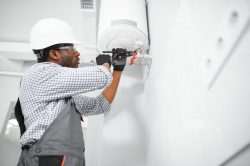 If you have a large family that uses hot water at the same time, such as during multiple showers, doing laundry, and washing dishes, a storage tank might work better. For smaller households with staggered usage, a tankless system may be more practical.
Installation Compatibility
Older homes in Knoxville may need updates before switching to a tankless system. This could include gas line upgrades or changes to the ventilation system. If your current setup already uses a storage tank, a direct replacement may be easier and more affordable.
Upfront Costs and Long-Term Savings
Traditional heaters cost less to install but may need replacing after 10 to 15 years. Tankless models have higher installation costs, but they typically last longer and save more on energy bills over time.
Maintenance Needs
Both systems need regular upkeep. Tankless units require flushing and occasional descaling. Traditional heaters need the tank flushed and the anode rod checked. No matter which system you choose, Tennessee Standard Plumbing can handle installation and maintenance so your home always has dependable hot water.
Still Not Sure What’s Right for You?
If you’re still comparing your options, we’re here to help. Tennessee Standard Plumbing serves all of Knoxville, including Farragut, Cedar Bluff, Bearden, North Knoxville, and surrounding areas.
Our team will evaluate your household needs and recommend the system that fits your lifestyle and budget best.
Call us today for honest advice and dependable service. Whether you’re upgrading, replacing, or starting from scratch, we’ll make sure your water heater does exactly what it should and keeps your home comfortable every day.
