Water heaters often go unnoticed—until they stop working. Whether it’s a cold shower, a leak on the floor, or strange sounds from the tank, water heater problems can throw off your entire day. And in a place like Knoxville, TN, where seasonal shifts can strain your plumbing system, keeping your water heater running smoothly is more than just a convenience—it’s a necessity.
At Tennessee Standard Plumbing, we’ve handled every water heater issue, from quick repairs to full system replacements. If you’re experiencing trouble, this guide covers common water heater problems, what causes them, and what you can do to fix them. If things feel a little out of your depth, give us a call—we’re happy to help.
Need help right away? Contact us now to schedule a water heater inspection or repair in Knoxville.
What Are Common Water Heater Issues?
Water heaters aren’t flashy, but they’re one of the most used appliances in any Knoxville home. When they fail, they often disrupt comfort, increase utility costs, or even cause water damage. The good news is that most water heater issues start small and can be prevented—or repaired—if you know what to look for.
1. No Hot Water
 If your hot water has suddenly disappeared, there are a few likely culprits. The thermostat may be set too low, or the high-temperature limit switch may have tripped, cutting power to the heating element.
A worn-out heating element itself can also be the cause. In some homes, the water heater tank is simply too small to keep up with demand, especially during the colder months in Knoxville.
- Solution: Start by adjusting the thermostat to a comfortable temperature. If the water doesn’t heat, try resetting the high-limit switch. If it trips again, the heating element may be damaged and need replacement.
Sediment buildup can also reduce efficiency, so drain the tank if it hasn’t been flushed in a while. If your household has grown or your needs have changed, consider upgrading to a larger tank or tankless system for better performance.
2. Leaking Tank
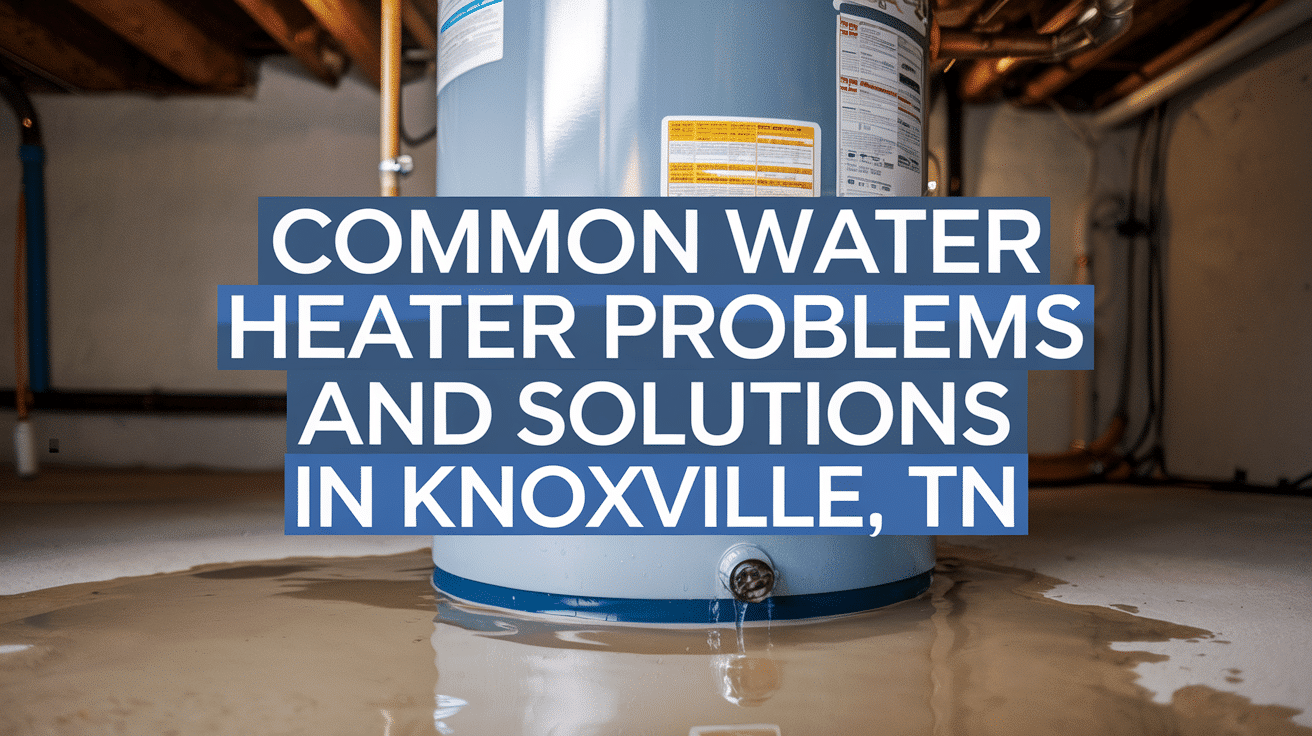
Leaks around the base of the water heater are a red flag. They’re often caused by a worn-out drain valve, pressure relief valve, or rusted connections. In more severe cases, corrosion may have breached the inside of the tank itself.
- Solution: Check for dripping around the valves and the connections at the top of the unit. If rust or corrosion is visible, or water is pooling from underneath the tank, the unit likely needs to be replaced. A leaking tank won’t get better on its own. Fast action helps protect your Knoxville home from further damage.
3. Water Temperature Problems
If your water swings from too hot to barely warm, it’s usually a problem with the thermostat or heating element. If the water is scalding, your thermostat may be set too high.
If it’s not hot enough, the element may not be working. In Knoxville, colder incoming water during winter can also affect output temperature.
- Solution: Adjust the thermostat first. If that doesn’t help, the heating element may need replacement. If the temperature remains inconsistent, it may be time for a new energy-efficient system.
4. Strange Noises
Rumbling, popping, or banging sounds from your water heater often come from sediment buildup. As the sediment hardens and heats, it traps water underneath. The pressure from steam bubbles escaping is what causes the noise.
- Solution: Flush the tank to remove sediment. If the noise continues after flushing, the heating elements may be damaged and should be checked or replaced.
5. Discolored Water
Brown, red, or rusty-colored water coming from your hot taps likely means there’s rust or sediment inside your tank. If it’s only in the hot water, the water heater is probably to blame.
- Solution: Drain and flush the tank. If the issue persists, the anode rod—designed to attract corrosion before it reaches the tank walls—may need replacing. If discoloration is present in both hot and cold water, corroded plumbing may be the real issue and should be inspected by a Knoxville plumbing professional.
6. Foul Smelling Water
That rotten egg smell? It usually comes from sulfur-producing bacteria reacting with the anode rod inside the tank. This happens more often in well water systems or tanks that haven’t been flushed recently.
- Solution: Flush the tank and treat it with a 3% hydrogen peroxide solution. If the smell returns, switching the anode rod to a zinc-aluminum blend can help stop the odor long-term.
7. Slow Recovery Time
If it takes forever for hot water to come back after someone showers or runs the washing machine, your water heater may be struggling. Older systems naturally slow down over time, and undersized tanks are common in growing households.
- Solution: Start by testing the thermostat and checking the heating elements. If those are working but the heater still lags, the tank may be too small for your home’s needs. Upgrading to a higher-capacity model or tankless heater is often the better long-term fix. Maintenance like flushing the tank also helps improve recovery speed.
8. Low Water Pressure
If your hot water flow is weaker than your cold water, there may be buildup in the lines or inside the tank itself. Knoxville’s water supply contains minerals that can settle and clog your system over time.
- Solution: Clean faucet aerators and showerheads. If pressure remains low, internal buildup may need to be cleared professionally.
9. T&P Valve Issues
The temperature and pressure relief valve (T&P valve) keeps your water heater from becoming dangerous. If this valve fails, excess pressure can build up—creating a serious risk.
- Solution: Gently lift the valve’s lever. You should see water come out of the discharge pipe. If it doesn’t, or water continues to leak afterward, the valve needs to be replaced right away. This isn’t something to delay.
10. Tripping Breaker
If your electric water heater keeps tripping the breaker, it’s likely due to faulty wiring, a damaged thermostat, or a bad heating element.
- Solution: Reset the breaker once. If it trips again, don’t try to force it. Electrical problems can cause fires or serious damage. Call a Knoxville electrician or licensed plumber for a safe inspection.
Understanding Water Heater Lifespan in Knoxville, TN
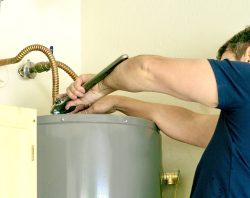 Standard tank water heaters usually last 8 to 12 years. Tankless models can last 15 to 20 years with regular maintenance. Heat pump systems typically last 10 to 15 years. While geothermal ground-source loops can last up to 50 years, they aren’t typically installed just for hot water and cost much more upfront.
If your water heater is over 10 years old and showing signs of wear—like rust, leaks, or temperature issues—it’s probably time to replace it. Annual maintenance like flushing the tank, checking the anode rod, and descaling tankless systems helps extend the life of your unit, especially in areas with mineral-rich water like Knoxville.
Keeping Your Water Heater Working
Your water heater doesn’t need attention every week, but it does need a little care now and then. Flushing sediment, checking valves, and catching small leaks early can prevent big repairs down the road.
Schedule yearly maintenance, especially before winter. Listen for odd noises. Monitor pressure and temperature. And if anything feels off, it’s always better to get it checked early. Regular upkeep keeps your system running efficiently and your hot water dependable.
Call Tennessee Standard Plumbing – Serving Knoxville, TN
If your water heater is making noise, leaking, or just not performing like it used to, let us take a look. At Tennessee Standard Plumbing, we serve homeowners throughout Knoxville and surrounding areas with honest, fast, and reliable service.
Call us today to schedule a water heater inspection or repair. We’ll diagnose the issue, walk you through your options, and get your hot water running again—without the stress.
