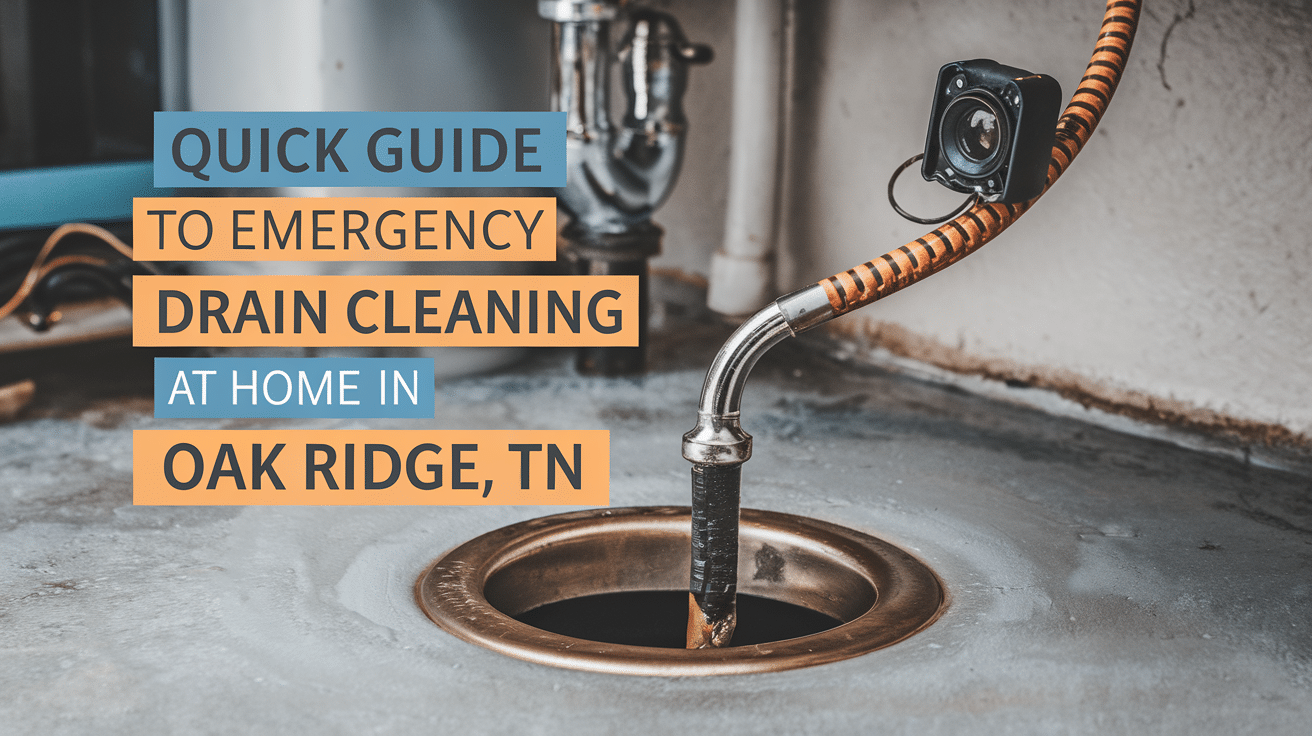
A clogged drain can throw off your entire day, turning simple tasks into frustrating challenges. Thankfully, many at-home fixes make emergency drain cleaning manageable. Using a few common tools and straightforward techniques, you can clear blocked drains without professional help.
Whether dealing with food scraps, grease buildup, or hair clogs, these tips from Tennessee Standard Plumbing can help. Let’s explore common causes, solutions, and ways to prevent clogs and keep your plumbing in good condition.
If these solutions don’t resolve the issue or you need expert assistance in Oak Ridge, TN, don’t wait—contact us today for fast and reliable drain cleaning services.
Common Causes of Drain Clogs
Most drain clogs come from materials that shouldn’t go down the pipes. Grease, fat, and oil are the main culprits, as they solidify inside the pipes and block water flow. Experts estimate that up to 60% of household clogs result from these substances.
While minor blockages can often be cleared at home, hardened grease may require professional tools to remove. Using a chemical drain cleaner for grease clogs can be effective, but it’s important to follow the manufacturer’s safety instructions.
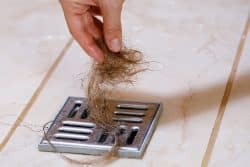 Other common causes include:
- Tree Roots: Roots seeking moisture can invade cracked pipes, completely blocking them over time. Gurgling sounds in your drains may be an early warning sign of this issue.
- Toilet Paper Overuse: Flushing large amounts of toilet paper, even biodegradable kinds, can lead to clogs.
- Mineral Buildup: Hard water deposits can narrow pipes, restricting water flow. Installing a water softener can help prevent this problem.
Drain clog removers are effective for different types of blockages. Oxidizing removers work well against organic matter, while caustic removers target oily grease and soap scum.
Tools You’ll Need for Drain Cleaning
Using the right tools makes drain cleaning easier and less frustrating. For small clogs, a baking soda and vinegar mixture is a great starting point. Combine equal parts baking soda and vinegar, pour the mixture down the drain, and let it fizz.
This natural reaction helps dissolve minor clogs. Alternatively, liquid drain cleaners can be effective for minor clogs and are readily available in various formulations.
For tougher blockages, consider these tools:
- Hand-Driven Augers: Useful for clogs within 25 feet of the drain.
- Motorized Augers: Designed for deeper or larger clogs, reaching several hundred feet.
- Electric Drain Snakes: These are effective for pipes up to 4 inches in diameter and come with adjustable cables.
- High-Pressure Water Jets: With water pressure up to 2,000 PSI, these tools can clear even the toughest clogs.
For particularly stubborn clogs, a drain opener can be highly effective. These products come in various types, including oxidizing and caustic options, and are designed to tackle clogs caused by hair, grease, and organic matter.
Having these tools on hand makes it easier to handle unexpected plumbing problems.
Safety First: Precautions to Follow
Cleaning drains can expose you to sharp objects, chemicals, and bacteria. To stay safe:
 Wear protective gloves and long sleeves to avoid contact with harmful substances.
- Use natural cleaners like baking soda and vinegar whenever possible to limit exposure to chemicals.
- Avoid mixing chemical cleaners, as this can create harmful fumes.
- Always read product instructions carefully to prevent accidents.
- Follow manufacturer instructions when using chemical drain cleaners to avoid damage to pipes.
 Wear protective gloves and long sleeves to avoid contact with harmful substances.
After clearing a clog, flush the drain with water to confirm proper flow and check for leaks. These steps will help you complete the task safely and effectively.
Emergency Drain Cleaning Techniques
A slow or blocked drain can lead to unpleasant odors and standing water, creating an uncomfortable environment. Before reaching for chemical cleaners, try these simple DIY methods:
- Baking Soda and Vinegar: Pour ½ cup of baking soda into the drain, followed by ½ cup of vinegar. Allow the mixture to bubble for about 30 minutes to break down clogs. For tougher blockages, let it sit overnight before rinsing with hot water.
- Plunger: Use a plunger to create suction that dislodges the clog. For sinks, use a cup-style plunger and get a tight seal for better results.
- Wire Hanger: Straighten a wire hanger and leave a small hook at the end. Insert it into the drain to pull out hair or debris. Chemical drain cleaners can be particularly effective for stubborn blockages that these methods can’t resolve.
These methods often resolve common clogs. If the issue persists, it may indicate a deeper blockage that requires professional assistance. For tough clogs, using a drain cleaner can be very effective, but it’s important to select the right product for your specific plumbing system.
How to Prevent Future Clogs
Preventing clogs is easier than dealing with them after they occur. These habits can help:
- Avoid pouring grease, oil, or fat down the drain. Dispose of these materials in a sealed container instead.
- Use drain covers to catch hair, food particles, and other debris.
- Clean your drains monthly with a natural mixture of baking soda and vinegar. Pour ½ cup of baking soda into the drain, followed by ½ cup of vinegar, and rinse with hot water after 15 minutes.
- Regularly remove buildup from shower and sink drains using a drain snake or similar tool.
- Maintaining drain pipes is important to prevent clogs. Using a flexible Vastar Drain Snake can effectively reach into drain pipes, especially at the P-trap, where clogs commonly occur. Be cautious when using the tool due to potential mess and odors.
Practicing these habits reduces the likelihood of future clogs and helps extend the life of your plumbing.
When to Call a Professional
While many clogs can be resolved at home, some situations require professional help. If you notice any of the following, it’s time to call an expert:
 Persistent Odors: Foul smells from drains often indicate waste trapped in your pipes.
- Multiple Backups: If several drains clog at the same time, the issue may be in your main sewer line.
- Recurring Problems: Frequent clogs could signal underlying issues like damaged pipes or improper installation.
 Persistent Odors: Foul smells from drains often indicate waste trapped in your pipes.
Addressing issues in the drain line promptly is important to prevent further damage. Professionals often use mechanical tools like a drain snake, which can effectively rotate down the drain line to tackle stubborn blockages.
Professionals have the tools and expertise to address these problems quickly and thoroughly, preventing further damage. Regular maintenance can also help identify potential problems before they escalate.
Take Charge of Your Plumbing
A clogged drain doesn’t have to derail your day. With the right tools, simple techniques, and good habits, you can tackle minor plumbing issues and reduce the risk of future clogs.
Keep this guide from Tennessee Standard Plumbing as your go-to resource for managing common plumbing problems in Oak Ridge, TN. A little effort and regular maintenance can go a long way in keeping your plumbing system in top condition, saving you time, money, and stress.
If your efforts aren’t resolving the problem or you suspect a larger issue, don’t wait—call us today for fast, dependable assistance and get your plumbing back to peak performance.
