Table of Contents
- Key Takeaways
- Efficiency Tips to Maximize the Performance of Your Oak Ridge Water Heater
- Choose Your Heater Type
- Save More by Running Your Water Heater Efficiently in Your Oak Ridge Home
Selecting the right water heater for your Oak Ridge homes and making a few simple adjustments can significantly reduce both energy consumption and utility costs. At Tennessee Standard Plumbing, we offer expert plumbing solutions to help you optimize your water heater’s performance and efficiency.
Small adjustments, like properly insulating pipes and adjusting your thermostat, can conserve energy while maintaining reliable hot water.
Ready to improve your home’s energy efficiency? Contact us today for professional plumbing services in Oak Ridge that help reduce your energy costs.
Key Takeaways
- Lowering your water heater thermostat to 120°F (49°C) can reduce energy use by up to 5% without sacrificing comfort.
- Insulating your water heater and pipes can reduce heat loss by 25%-45%, leading to significant energy savings.
- Annual draining of sediment from your water heater can improve efficiency and prevent long-term damage.
- Installing heat traps on your water heater’s pipes can reduce standby heat loss and improve energy efficiency.
Leaky faucets can waste hundreds of liters of water per month. Repairing them can prevent unnecessary energy use. - Installing low-flow fixtures reduces the demand for hot water, lowering heating costs.
- Using cold water for laundry reduces energy consumption, as about 90% of energy used in washing clothes goes toward heating the water.
- Setting a timer to turn off the water heater during low-demand times (like overnight) saves energy and prolongs the heater’s life.
Efficiency Tips to Maximize the Performance of Your Oak Ridge Water Heater
Maximize the performance of your water heater with these 10 energy-saving tips.
1. Calibrate Temperature
 Lowering your water heater thermostat to 120°F (49°C) reduces energy use while still providing safe, comfortable hot water. According to the U.S. Department of Energy, reducing the thermostat by just 10°F can cut heating costs by up to 5%. This simple adjustment helps prevent overheating and extends the life of your heater.
2. Insulate Everything
Tank and pipe insulation reduces heat loss, especially in colder climates. Wrapping your water heater with a thermal blanket can reduce standby heat loss by 25%–45%, according to the U.S. Department of Energy. Insulating exposed pipes near your heater helps keep water warmer and reduces heating time.
3. Purge Sediment
Over time, sediment builds up at the bottom of the tank, insulating against heat transfer. Draining a quart of water annually from the tank’s bottom valve helps remove sediment, improving efficiency and preventing long-term damage. This is a commonly recommended maintenance step from manufacturers to improve heating performance and prevent scale buildup.
4. Install Heat Traps
Heat traps installed on the inlet and outlet pipes prevent heat from escaping when the heater isn’t in use. These low-cost upgrades are commonly found on newer models but can also be added to older units. Heat traps help reduce standby heat loss and improve energy efficiency.
5. Fix Drips
A single dripping faucet can waste hundreds of liters of hot water per month, causing your heater to run longer. The U.S. Environmental Protection Agency (EPA) estimates that a single leaky faucet can waste over 3,000 gallons of water per year. Check and repair all leaking faucets and valves to stop this unnecessary waste.
6. Reduce Flow
Install low-flow fixtures like showerheads and faucets with flow rates below 9 liters per minute. This reduces the demand for hot water and helps lower heating expenses. Low-flow fixtures are endorsed by the EPA’s WaterSense program, which certifies water-efficient products.
7. Use Cold Cycles
 Use cold water for laundry as much as possible. Modern detergents clean effectively at low temperatures, reducing your need for hot water and cutting energy consumption. Studies show that approximately 90% of the energy used in washing clothes goes toward heating the water, so switching to cold water can lead to significant savings.
8. Schedule Usage
Setting a timer to turn off the heater during low-demand times, like overnight, saves energy. This works especially well with electric water heaters and can extend the life of your unit by reducing wear. According to the U.S. Department of Energy, timers help optimize the heater’s efficiency by operating only when needed.
9. Upgrade Wisely
Older water heaters are inefficient and expensive to run. If you’re considering a replacement, opt for high-efficiency models like tankless gas condensing units. These can be up to 98% efficient, as per ENERGY STAR, which significantly reduces energy bills. Tankless heaters eliminate standby heat loss, making them more efficient than traditional models.
10. Perform Annual Checks
Regular maintenance keeps your water heater running smoothly. Check valves, pipe fittings, and seals for leaks every year. According to the U.S. Department of Energy, annual maintenance can prevent costly repairs and extend the life of your water heater.
Choose Your Heater Type
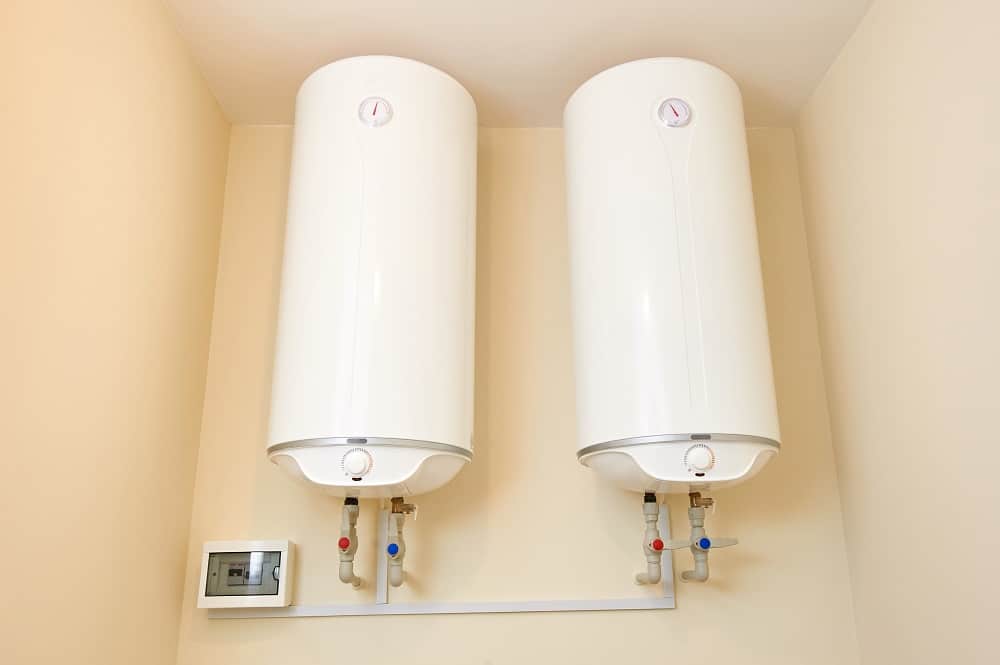
Selecting the right water heater is essential for both energy efficiency and cost savings. Different types impact energy use, installation space, and long-term savings.
Here’s a breakdown of the main options to help you choose:
Storage Tank
Storage tank water heaters are the most common, heating and storing 150–300 liters of water using electricity, gas, or other fuels. Gas models heat faster but require ventilation, while electric tanks are less visible but may increase electricity bills.
A major downside is standby heat loss, where energy is used to keep water hot, even when it’s not in use. For homes with steady hot water needs, tanks remain a solid option, but regular maintenance, such as flushing to prevent sediment buildup, is crucial for longevity.
Tankless
Tankless water heaters heat water on demand, eliminating the need for a storage tank. These systems are highly efficient, saving up to 34% for homes using less than 41 gallons (155 liters) of hot water daily.
While the upfront cost is higher, their long lifespan of over 20 years can offset the initial investment. Their compact design is perfect for smaller homes or apartments, though installation may require upgrades to electrical systems or gas lines.
Heat Pump
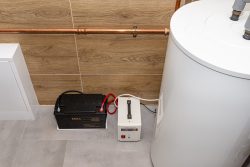 Heat pump water heaters are among the most efficient, using electricity to transfer heat from the air rather than generating it. They are 2-3 times more efficient than conventional models, resulting in significant savings on energy bills.
They perform best in temperatures between 40–90ºF (4–32ºC) but require ample space for air circulation. Despite their larger size, they’re an attractive choice for environmentally conscious homeowners.
Solar-Assisted
Solar-powered water heaters use solar panels to heat water, offering a green alternative in sunny regions. While installation is costly, the savings on energy bills over the years are considerable.
These systems typically have a backup energy source, such as electricity or gas, to provide heat when the sun isn’t shining. Maintenance consists mainly of keeping the panels clean and operational. In sunny areas, solar-assisted heaters can make a major contribution to energy independence.
Save More by Running Your Water Heater Efficiently in Your Oak Ridge Home
Choosing the right water heater reduces energy use, cuts costs, and benefits the environment. Simple actions like lowering the thermostat, insulating pipes, and using less hot water can make a big difference.
The right heater depends on your home’s size, energy needs, and budget. Small adjustments lead to savings, and by optimizing water heating, we can all make eco-friendly choices.
At Tennessee Standard Plumbing, we help you make these energy-efficient choices while keeping your plumbing in top condition. Call us today for professional plumbing services to save on energy costs.
