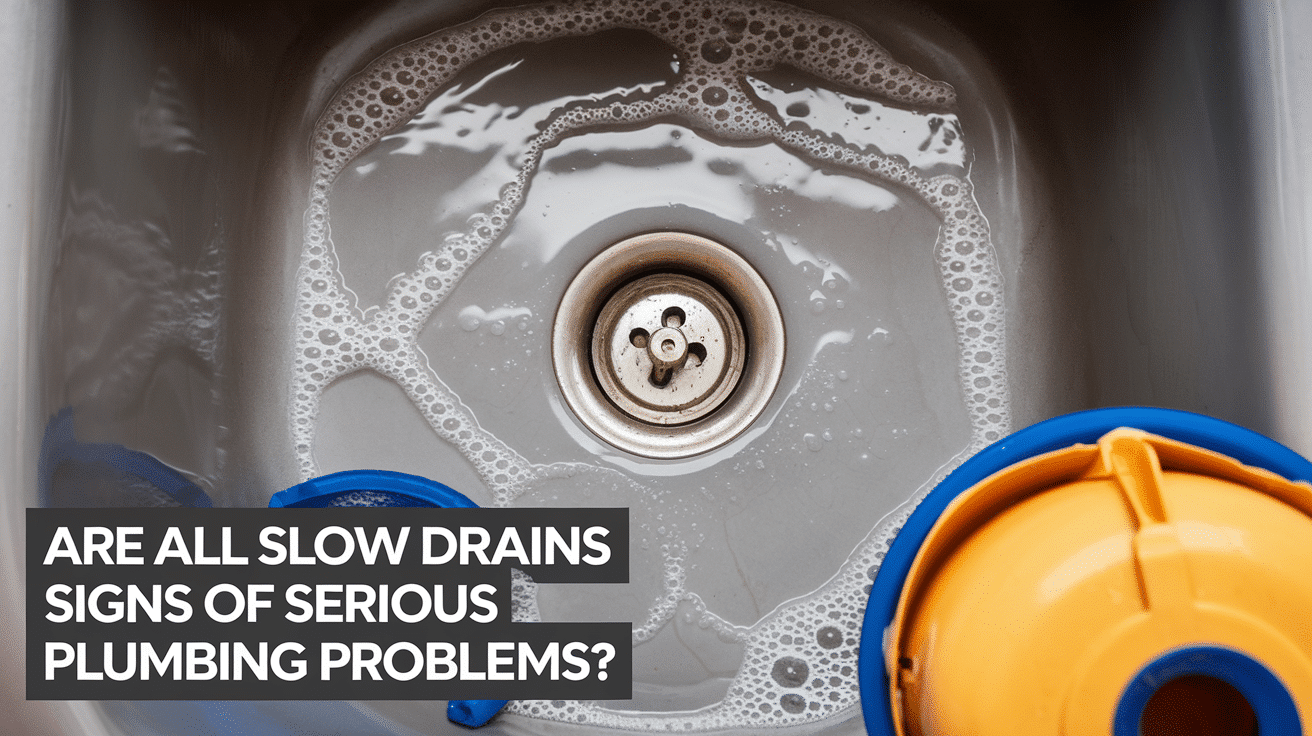
 A slow drain might not seem urgent, but persistent drainage issues can indicate larger plumbing problems. In Oak Ridge, TN, factors like hard water, aging pipes, and tree roots can lead to slow drainage. Hair, soap scum, grease, and even tree roots can cause water to drain slower than normal. A clogged drain can lead to serious issues such as unpleasant odors, mold growth, and structural damage if not resolved promptly. Some issues are minor and easy to fix, while others can cause serious damage if left unaddressed.
Taking care of slow drains early prevents costly repairs down the road. In this guide, we’ll cover the most common causes of slow drains, how to determine if the issue is serious, and when to call a professional.
If you’re experiencing drainage problems in Oak Ridge, TN, Tennessee Standard Plumbing is here to help. Our licensed professionals provide fast, reliable service to restore proper drainage and prevent further damage.
Call us today to schedule your appointment!
What Causes Slow Drains in Oak Ridge, TN?
Slow drains happen for many reasons, from everyday buildup to more severe plumbing blockages. Identifying the cause of drain problems helps determine the best solution.
Common Causes of a Clogged Drain
Hair and Soap Scum Buildup
 Bathroom drains in Oak Ridge homes are especially vulnerable to hair and soap scum buildup. The average person sheds 50 to 100 hairs daily, which, when combined with soap residue, forms stubborn clogs. Using drain covers and cleaning drains regularly can help prevent clogged drains.
Grease and Food Waste
Grease from cooking oils, butter, and fatty foods hardens inside pipes, narrowing the passage for water. Even when rinsed with hot water, grease eventually cools and sticks to pipe walls. The best way to avoid grease buildup and prevent clogged drains is to dispose of it in a sealed container rather than washing it down the drain.
Mineral Deposits from Hard Water
Many Oak Ridge homes have hard water, which can lead to mineral buildup inside pipes. Over time, calcium and magnesium deposits accumulate, restricting water flow. Installing a water softener or using descaling agents can help minimize the effects of hard water on plumbing systems.
Foreign Objects in Drains
Items like jewelry, cotton swabs, wipes, and paper towels can easily fall into drains and cause blockages. Even small objects can lead to severe clogs, especially in P-traps or sewer lines. Using sink strainers and being cautious about what goes down the drain can prevent these problems.
Tree Root Intrusions
If multiple drains in your Oak Ridge home are slow, tree roots could be invading your sewer lines. Tree roots naturally seek out moisture, breaking into underground pipes and causing serious blockages. Plumbers use camera inspections to detect root intrusion and recommend the best solutions. They may also use drain snaking to clear minor root intrusions and restore proper flow.
Are All Slow Drains Serious Problems?
Not every slow drain is a major issue; some slow drains can be considered minor plumbing issues that you might attempt to fix yourself if you have some experience and the right tools. However, persistent drainage problems shouldn’t be ignored. Here’s how to tell if your slow drain is a minor inconvenience or a sign of something bigger.
When a Slow Drain Is a Simple Fix
If only one drain is slow, the issue is likely confined to that specific pipe. A plunger, drain snake, or natural cleaners (such as baking soda and vinegar) can often resolve minor clogs. Soap scum, hair, or food debris are common causes that can be addressed with regular maintenance. Having drains cleaned regularly can prevent clogs by removing scale buildup and ensuring they remain smooth and functional.
When a Slow Drain Points to a Bigger Problem
 Multiple slow drains: If several drains throughout your Oak Ridge home are slow, it may indicate a serious blockage that requires professional drain cleaning services to address the issue effectively.
- Foul odors: Bad smells from drains suggest rotting debris, sewer gas leaks, or stagnant water.
- Gurgling sounds: Air trapped in pipes due to blockages can create gurgling noises when water drains.
- Water backups: If water backs up into sinks, tubs, or toilets, it signals a serious blockage that needs immediate attention.
 Multiple slow drains: If several drains throughout your Oak Ridge home are slow, it may indicate a serious blockage that requires
 Identifying Where the Drain Issue Is Coming From
Pinpointing the location of the slow drain helps determine the best solution.
Bathroom Sink Drains
Bathroom sinks often clog due to toothpaste, soap, hair, and grooming products. These materials collect in the P-trap (the curved pipe beneath the sink), restricting water flow. Regularly cleaning the P-trap and using a drain cover can help prevent clogs. Additionally, pipe wrench plumbing is an effective method for addressing bathroom sink clogs.
Shower and Bathtub Drains
Hair and soap residue build up in shower and tub drains, slowing water flow. Running hot water and using natural cleaners can help dissolve minor clogs, but standing water in a tub usually means a deeper blockage that requires further attention.
Toilet Drain Issues
Excess toilet paper, wipes, and hygiene products can clog toilet drains. If plunging doesn’t resolve the issue, the clog might be further down the sewer line, requiring professional intervention.
Kitchen Sink and Dishwasher Drains
Grease, food particles, and dish soap residue commonly cause slow drainage in kitchen sinks and dishwashers. To prevent clogs, avoid pouring grease down the drain, use sink strainers, and run hot water regularly to break down buildup. For persistent kitchen sink and dishwasher clogs, consider a professional drain cleaning service to ensure thorough cleaning and care for your plumbing system.
Washing Machine Drain Issues
Lint, detergent residue, and fabric softener can clog washing machine drains over time. Cleaning the lint trap frequently and using the right amount of detergent can help prevent slow drainage.
Signs That Indicate a More Serious Plumbing Problem
Ignoring slow drains can lead to bigger issues, including water damage, mold growth, and sewer backups. When facing serious plumbing problems, it’s important to seek professional plumbing s ervices. Here are some warning signs that suggest it’s time to call a plumber in Oak Ridge, TN.
Multiple Drains Are Slow at the Same Time
If more than one drain in your home is slow, there’s likely a blockage in the main sewer line. This can cause serious problems if left untreated.
Foul Odors from Drains
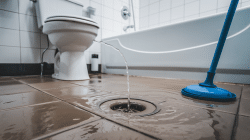 Persistent bad smells indicate trapped food, grease, or organic matter rotting in your pipes. Sewer gas leaks can also create unpleasant odors, posing a risk to indoor air quality.
Gurgling Noises
Bubbling or gurgling sounds in drains suggest air is trapped in your pipes due to a clog. If left unaddressed, this can lead to backups and plumbing pressure issues.
Water Backups in Sinks or Tubs
If running water in one fixture causes another fixture to back up, there is likely a deep clog in your plumbing system. Turning off your water and calling a plumber right away can help prevent flooding or further damage.
When to Call a Professional in Oak Ridge, TN
While minor clogs can often be cleared with DIY methods, ongoing or widespread slow drains require reliable drain cleaning services to address the issue promptly. If home remedies don’t resolve the issue, it’s best to call a licensed plumber before the problem worsens.
At Tennessee Standard Plumbing, we offer expert drain cleaning, camera inspections, and long-term solutions to keep your plumbing system running smoothly in Oak Ridge, TN.
Contact Tennessee Standard Plumbing Today!
Slow drains can lead to bigger plumbing issues if left unchecked. Let our expert team at Tennessee Standard Plumbing get your drains flowing smoothly again. Call us today to book your service!
