
Backflow preventers are required in Knoxville to stop contaminated water from flowing into the public supply. Most properties must install, test, and maintain a code-approved device each year. Installation costs range from $150–$450, and annual testing averages $50. Licensed plumbers like Tennessee Standard Plumbing provide certified installation, inspection, and compliance reporting.
Backflow preventers are safety devices that block dirty water from entering clean water lines. In Knoxville, plumbing codes require these devices in many systems. The rule is simple. A preventer creates a one-way gate for water. Water flows forward to your home but never backward into the city supply.
This code protects public health. Dirty water from sprinklers, boilers, or chemical tanks stays locked out. The preventer stops bacteria, pesticides, and chemicals from flowing back into kitchen taps or drinking fountains. By stopping cross-contamination, the city water stays safe for every family.
For property owners, the rule means responsibility. A preventer must stay in place, and regular checks prove it works. A small part of the system protects both your house and your neighbourhood. Codes in Knoxville make sure every building does its share to keep water safe.
For buyers, the guidance is clear. Ask if a home or building has a preventer installed. Check service records before closing a sale. A missing device may lead to penalties and repair costs. A working device means safe water and peace of mind.
Tennessee Standard Plumbing makes this process simple. The company installs, inspects, and replaces backflow preventers in line with Knoxville codes. Their licensed plumbers handle paperwork and testing. Fast service keeps properties safe and code-ready. Tennessee Standard Plumbing gives reliable support for homeowners and businesses across Tennessee. Contact our plumbers today!
What are Backflow Preventers?
Backflow preventers are plumbing devices that stop dirty water from flowing backward into clean water lines. They matter because one small failure can spread harmful waste into the public water system. A preventer locks the line and keeps drinking water safe.
The role is simple. It creates a barrier between clean supply and dirty sources like irrigation, boilers, or pools. By blocking the reverse flow, the device protects every tap in the system. It keeps germs, chemicals, and waste out of drinking water.
Local codes in Knoxville require backflow preventers on many types of property. This rule keeps every system safe and equal under the law. Compliance protects public health and avoids legal trouble. Proper devices and tests save owners from heavy fines and repeated repair work.
Cost savings also come with compliance. A tested preventer stops damage to pipes and water appliances. It lowers the risk of future leaks and water cleanup. A simple code step ends up saving property owners money and keeps systems in strong shape.
What are Common Types of Backflow Preventers Allowed by Code?
The common types of backflow preventers allowed by code are tested devices that keep water systems safe. Code-approved options matter because only trusted designs protect the public supply. The right selection stops cross-contamination, keeps properties compliant, and prevents health risks. Proper choice also avoids penalties for owners.
These are the common types of backflow preventers:
-
Air Gap (AG)

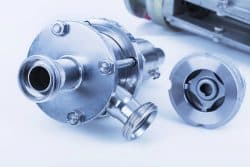
An air gap is a simple open space between water outlets and waste levels. It stops dirty water from ever reaching the clean supply. This method works by using distance instead of parts. It is safe, low-cost, and always code-accepted. Buyers gain strong protection without complex parts to service.
-
Atmospheric Vacuum Breaker (AVB)


An AVB is a small device installed above water outlets. It uses air pressure to stop backward flow. This barrier protects systems like lawn sprinklers. AVB devices follow the code for basic setups. They keep homes safe from simple cross-connections at low cost.
-

Pressure Vacuum Breaker (PVB)
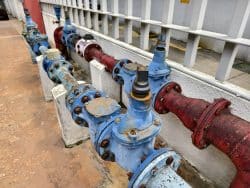
A PVB is similar to an AVB but handles higher pressure. It uses a spring valve to block backflow. This type fits irrigation systems across large properties. Code approval makes it reliable for both homes and business sites. A PVB gives lasting safety with tested results.
-
Double Check Valve Assembly (DCVA)
A DCVA uses two internal valves that work together. Both valves lock dirty water from returning to the clean supply. This type is accepted for low to medium hazard risks. It meets compliance while staying budget-friendly. Owners use DCVA units to secure safe water at a lower cost.
-
Reduced Pressure Zone Assembly (RPZ)
An RPZ is the most advanced device for high-risk sources. It uses valves and a relief chamber to stop contamination. RPZ units protect against strong backflow, even with chemicals. They meet strict code rules and safeguard water in critical sites. Buyers select RPZ units for full safety and peace of mind.
How much does it cost to install a backflow preventer in Knoxville?
The cost to install a backflow preventer in Knoxville is between $150 and $450 for most homes. This price reflects standard setups and covers the average work completed by local plumbers.
-
Average Installation Cost ($150–$450)
Average installation cost stays in this range because most homes use simple devices. A basic setup with one connection fits this price point. It covers parts and labor in a standard project.
-
Device Type & System Size ($100–$1,000+)
Device type and system size also change the cost. A small unit for a home sink may be as low as $100. Large systems with sprinklers or boilers may reach $1,000 or more. Bigger devices handle more pressure and add to the price.
-
Valve Size Matters ($100–$600)
In the final bill, valve size matters. Small valves start at $100, large sizes at $600. The larger the diameter, the higher the cost of the part. Right-sizing assures safe flow and city code compliance.
-
Labor Costs ($180–$500 per hour)
Hourly labor rates in Knoxville range from $180 to $500 per hour. Rates are based on the plumber’s licensing and project size. Complex systems take longer, which raises the labor bill.
-
Annual Testing Fees ($30–$350)
Annual testing adds another cost. Knoxville utility services charge about $50 for each test. In other areas, fees range from $30 to $350. Regular testing keeps systems compliant and prevents penalties from local code officers.
-
Long-Term Savings
Long-term savings make these costs practical. A working device stops cross-contamination and avoids repair bills. It protects both the water supply and property investment.
What Are The Testing And Inspection Requirements In Knoxville?
The testing and inspection requirements in Knoxville are in place to protect clean water from contamination. Regular checks keep devices working and stop harmful backflow into the public system.
Testing matters because a blocked or broken preventer fails to protect water. Without regular inspection, families face a higher risk of germs, waste, or chemicals entering their drinking supply. Testing fees in Knoxville stay near $50 each year, based on city utility charges.
Paying this small fee keeps property owners clear of penalties and repair bills. Buyers must ask for inspection records before buying property. Verified reports show the system is safe and code-compliant. Missing records may bring extra repair costs after the purchase.
-
Permits and Inspections Required for New Installations
Permits and inspections are required before any new backflow preventer works in Knoxville. This step exists to confirm safe setup and code compliance. It saves money by stopping rework or penalties later.
-
Certified Installation and Testing Required
Certified installation and testing are required by local law. Only licensed professionals test and sign off on results. This rule protects families and ensures water quality stays safe at every tap.
-
Responsibility Lies with the Property Owner
Responsibility for testing lies with the property owner. The city holds owners accountable for keeping devices in working order. Compliance avoids fines, reduces repairs, and protects both home and family health.
What penalties come from ignoring the Knoxville backflow code?
The penalties that come from ignoring backflow code are fines, repair orders, and the risk of water shutoff. The city enforces these rules to keep the public supply safe. Knowing the penalties of the backflow code matters because it shows the cost of neglect. Property owners who ignore rules face legal action, higher repair bills, and damage to property value.
Compliance prevents fines by proving the system meets Knoxville code. Tested devices and proper records keep owners in good standing. This lowers expenses and avoids surprise enforcement costs.
The rules also protect against water contamination. A working preventer blocks dirty water from entering the clean line. It keeps families, schools, and businesses safe from waste, chemicals, and germs.
Financial Fines
Financial fines mean money losses for property owners. Knoxville charges fees for missed testing or failed devices. Compliance avoids these costs by keeping the system approved. Local code officers check records, so owners save by staying current.
Water Service Suspension
Water service suspension stops the supply until the system meets code. This matters because daily life and business depend on running water. Testing and repair on time keep service active and prevent disruption.
Potential Legal and Civil Action
Potential legal and civil action follows when owners ignore repeated code notices. Courts issue orders and demand payment. By meeting city rules, owners avoid legal stress and protect property rights.
Increased Insurance Premiums
Increased insurance premiums result from poor system upkeep. Insurers bill extra if the possibility of contamination increases. Frequent testing and official records demonstrate safety and maintain stable insurance premiums.
Health and Environmental Hazards
When contaminated water reaches the clean system, health and environmental risks become apparent. Germs, chemicals, and waste spread across homes and businesses. Compliance protects Knoxville families and preserves local water resources. Buyers gain security by checking these records before purchase.
How to Stay Compliant with Knoxville Plumbing Codes?
Stay compliant with Knoxville plumbing codes with regular testing, certified installation, and clear record-keeping. These steps protect families, properties, and the wider community from unsafe water.
Staying compliant with plumbing codes matters because water systems touch every home and business. A single failure spreads dirty water across lines. Knoxville codes make sure that every property keeps its supply clean and secure.
Codes protect families from contamination. A tested backflow preventer blocks germs, chemicals, and waste. It gives direct safety to homes, schools, and public spaces. The following code means safe water at every tap.
Compliance also helps businesses. Clean water keeps restaurants, offices, and industries running without risk. Safe records build trust with customers, inspectors, and local partners. Businesses that meet rules avoid downtime and protect their reputation.
Compliance prevents penalties and builds trust across the city. Fines, service cuts, or legal actions cost more than testing. Meeting the code proves responsibility and keeps value strong for both owners and buyers.
Local conditions in Knoxville make these steps more important. The city requires annual testing and licensed reports. Records show proof and stop surprise bills or service issues.
Tennessee Standard Plumbing provides trusted service in Knoxville. The company offers certified testing, inspections, and repairs. With skilled plumbers and fast response, Tennessee Standard Plumbing stands as a reliable partner for safe water and full code compliance.
Frequently Asked Questions
Do I need a permit to install a backflow preventer in Knoxville?
Yes, a permit is required to install a backflow preventer in Knoxville. The city reviews the design, issues permits, and inspects the device after installation. Permits prove the system meets code and works as intended. Without this step, owners risk fines, rework, and unsafe water supply across homes, schools, and local businesses.
Can fixing sinks prevent Knoxville backflow risks?
No, fixing sinks does not prevent Knoxville backflow risks. Backflow risks come from irrigation systems, boilers, pools, and other cross-connections tied to the main water supply. Only approved preventers installed by licensed plumbers fix a leaking sink, protect drinking water, and keep property owners in full compliance with city code.
Can I install my own backflow preventer?
No, you cannot install your own backflow preventer in Knoxville. City plumbing code requires certified plumbers for both installation and testing. Licensed work ensures correct setup, safe pressure control, and verified reports filed with Knoxville authorities. This protects the water supply, prevents contamination, and keeps property owners in compliance with local and state safety standards.
Which hot water hacks comply with Knoxville’s backflow code?
Hot water hacks that comply with Knoxville’s backflow code include approved check valves and certified thermal expansion devices. These parts prevent reverse pressure and stop hot water from flowing backward. Compliance reduces health risks, protects water heaters, and safeguards public water. Property owners following these simple code steps keep their plumbing safe, efficient, and legal.
What if my preventer fails inspection?
If your preventer fails inspection in Knoxville, it must be repaired or replaced by a licensed plumber. A failed device cannot protect against contamination. The city requires quick correction to avoid penalties. Proof of repair is logged with Knoxville officials. Owners who act fast maintain compliance, prevent fines, and keep safe drinking water across properties.
Can backflow preventers be relocated without new permits?
No, backflow preventers cannot be relocated without new permits in Knoxville. Moving the device changes the system flow and risk. The city demands inspection and approval for every relocation. Permits confirm safe placement and working protection. Without them, owners face fines, shutdowns, and unsafe water. Compliance secures both family health and business operations in Knoxville.
Which Knoxville water line materials meet backflow prevention codes?
Knoxville water line materials that meet backflow prevention codes include copper, PEX, and approved PVC. These materials support certified backflow preventers and allow safe flow at the correct pressure. Using city-approved piping reduces leaks, extends system life, and keeps property records clean. Owners relying on non-approved materials risk failure, fines, and unsafe supply. Compliance prevents these issues.
Which properties in Knoxville require mandatory backflow preventers?
Properties in Knoxville that require mandatory backflow preventers include irrigation systems, pools, commercial kitchens, medical sites, and large multi-unit buildings. These properties present the highest risk of contaminating city water. Knoxville enforces strict testing and reporting. Owners on these sites must comply to avoid penalties, protect public health, and keep the local community water safe for all.
Are all installers required to be state-certified plumbers?
Yes, all installers of backflow preventers in Knoxville must be state-certified plumbers. Certification proves knowledge of code, safe installation, and correct testing. The city accepts only licensed reports. This protects families, businesses, and the wider water system. Using unlicensed work risks penalties, faulty protection, and legal issues that harm property owners and the public water supply.
Which Best Knoxville Plumber Ensures Backflow Compliance?
The best Knoxville plumber that ensures backflow compliance is Tennessee Standard Plumbing. The company provides certified installation, annual testing, and quick repairs with licensed professionals. Tennessee Standard Plumbing delivers records trusted by Knoxville inspectors. Homeowners and businesses rely on Tennessee Standard Plumbing for safety, full compliance, and dependable service that protects both property investment and the public water supply.