
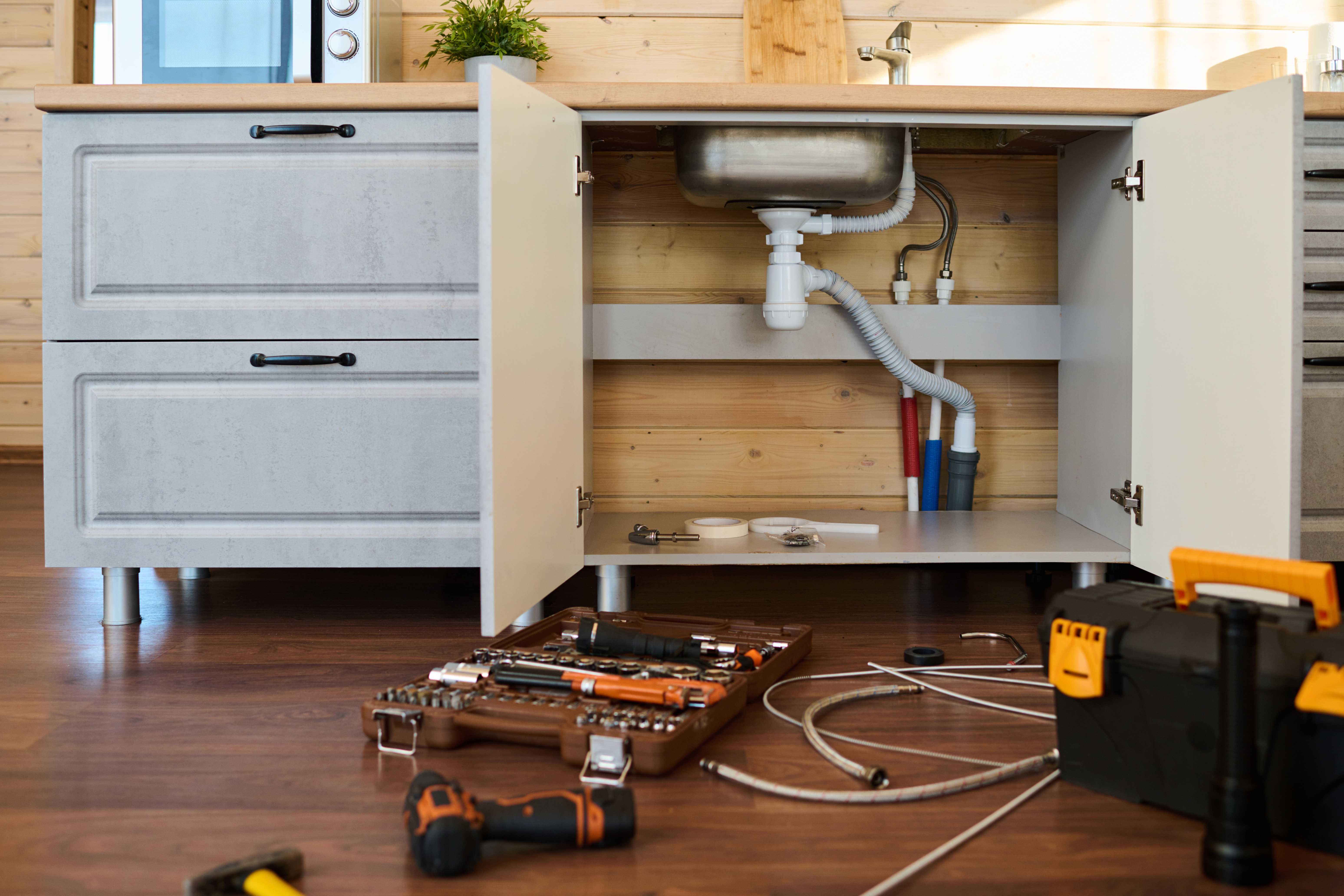
A leaking kitchen sink can cause water damage, promote mold growth, and increase utility costs if left unattended. This guide outlines a step-by-step approach to pinpointing the leak’s source and performing basic DIY repairs, featuring expert advice from Tennessee Standard Plumbing. Homeowners can use these tips to fix their sink effectively and help prevent future plumbing problems.
To fix a kitchen sink leak, start by stopping the source of leakage, repairing faulty parts, and checking the flow after replacement. Kitchen sink leaks come from drainpipes, faucets, traps, or worn seals. A leaking sink wastes water, raises utility costs, and damages cabinets and floors. Continuous leaks also grow mold that harms indoor air quality.
In the United States, leaks waste over 1 trillion gallons of water yearly, according to EPA data, and kitchen plumbing issues account for a major share. Acting quickly protects health, property, and water resources.
The licensed plumbers from Tennessee Standard Plumbing use advanced tools and training to secure long-term results. For homeowners, this means fewer repairs, lower costs, and safe kitchens free of hidden water damage.
In order to fix a kitchen sink plumbing leak, follow this step-by-step process:
Step 1: Turn Off the Water Supply
The first step is shutting off the water supply to stop the leak from spreading. A small valve sits under most sinks and turns with a clockwise motion. Closing this valve stops water from flowing into the faucet and pipes. This step protects kitchen cabinets and floors from water buildup. Without a quick shutoff, even one hour of leaking water damages wood, drywall, and flooring.
Step 2: Clear the Area Under the Sink
The second step is clearing everything from under the sink. Buckets, cleaners, and stored items block access to plumbing. Moving them out prevents contamination and gives space for safe repair. Water leaks under a sink often spread into nearby objects, creating odors and mold. Keeping the space empty helps spot new drips after repair.
Step 3: Identify the Source of the Leak
The third step is finding the exact point of the leak. Common sources are faucet joints, pipe traps, and seals. Minimal drops usually occur at loose fittings, whereas constant streams are an indication of broken washers or cracks. Proper inspection prevents wasting time on working parts. Speedy detection eliminates the spread of damage in the cabinets and flooring.
Step 4: Tighten Loose Connections or Fittings
The fourth step is to tighten all loose connections. Joints and nuts of pipes are usually loose because of the constant flow of water. A wrench or hand tightening secures these points and stops leaks. Many kitchen sink leaks come from fittings, so this step often resolves the issue. Proper tightening avoids water waste and extends plumbing life.
Step 5: Replace Worn-Out Washers or Gaskets
The fifth step is replacing worn washers or gaskets. Washers flatten over the years of use, creating space for leaks. Rubber gaskets also crack with age, especially in hot water lines. Installing new parts restores a tight seal. This step lowers the risk of future drips and protects the sink from repeated leaks.
Step 6: Install a New Faucet or Pipe Section if Needed
The sixth step is installing a new faucet or pipe section when parts fail. Old faucets rust, and pipes sometimes crack from pressure. Replacement guarantees a constant flow with no leaks. The modern fixtures also consume less water, saving on bills and resources. Tennessee Standard Plumbing uses long-lasting components that are suitable for building codes in Knoxville.
Step 7: Turn the Water Supply Back On
The seventh step is turning the water supply back on slowly. Turning the water on gradually avoids a sharp pressure shock that causes fittings to loosen. Turning the valve on resumes the supply to the faucet and pipes. Close monitoring at this stage helps identify leaks early. A start-stop test is done to ensure that the tightened parts or replaced parts are firm.
Step 8: Test for Leaks and Ensure Proper Flow
The eighth step is testing the faucet and pipes for leaks. Run water for at least one minute and check every joint and connection. If no drips appear, the repair holds. Testing confirms steady pressure and even flow. This step protects against hidden leaks that cause damage later.
Step 9: Clean the Area
The ninth step involves cleaning the whole area below and around the sink. Clean off water, dust, and dirt. Any prospective leak is soon revealed in a dry, clean area. Removal of moisture prevents the appearance of mold on the walls and wood. Clean surfaces are an indicator that the repair is complete and safe.
What Are the Main Causes of Kitchen Sink Leaks?
The main causes of kitchen sink leaks are: damaged pipes, weak seals, or poor plumbing connections. These issues allow water to escape, damage cabinets, and waste gallons daily. Regular checks and timely repairs reduce risks and protect kitchen spaces.
The main causes of kitchen sink leaks are:
-
Corroded Sink Pipes
 Pipes under a sink weaken from rust and mineral buildup. Corrosion eats away at the metal and creates tiny holes. Even small corrosion leaks release steady water that harms cabinets and flooring.
 -
Loose Connections at Joints
Joints and nuts move out of place due to water pressure and vibration. Once loose, they drip every time the faucet runs. Tightening or sealing joints prevents water from soaking into wood panels.
-
Worn-Out Washers or Gaskets
Washers and gaskets flatten and crack over the years of use. This damage breaks the seal between faucet parts. Replacing these small pieces restores a watertight connection.
-
Clogged Drains Causing Pressure
Food scraps, grease, and soap clog sink drains. Pressure builds in the pipes and forces water out at weak spots. Clearing clogs keeps the flow steady and prevents leaks.
-
Temperature-Related Pipe Stress
Hot water swells the pipes, whereas cold water shrinks them. Continuous movement causes stress that makes joints weak. Gradually, cracks develop and begin to leak into the hidden parts.
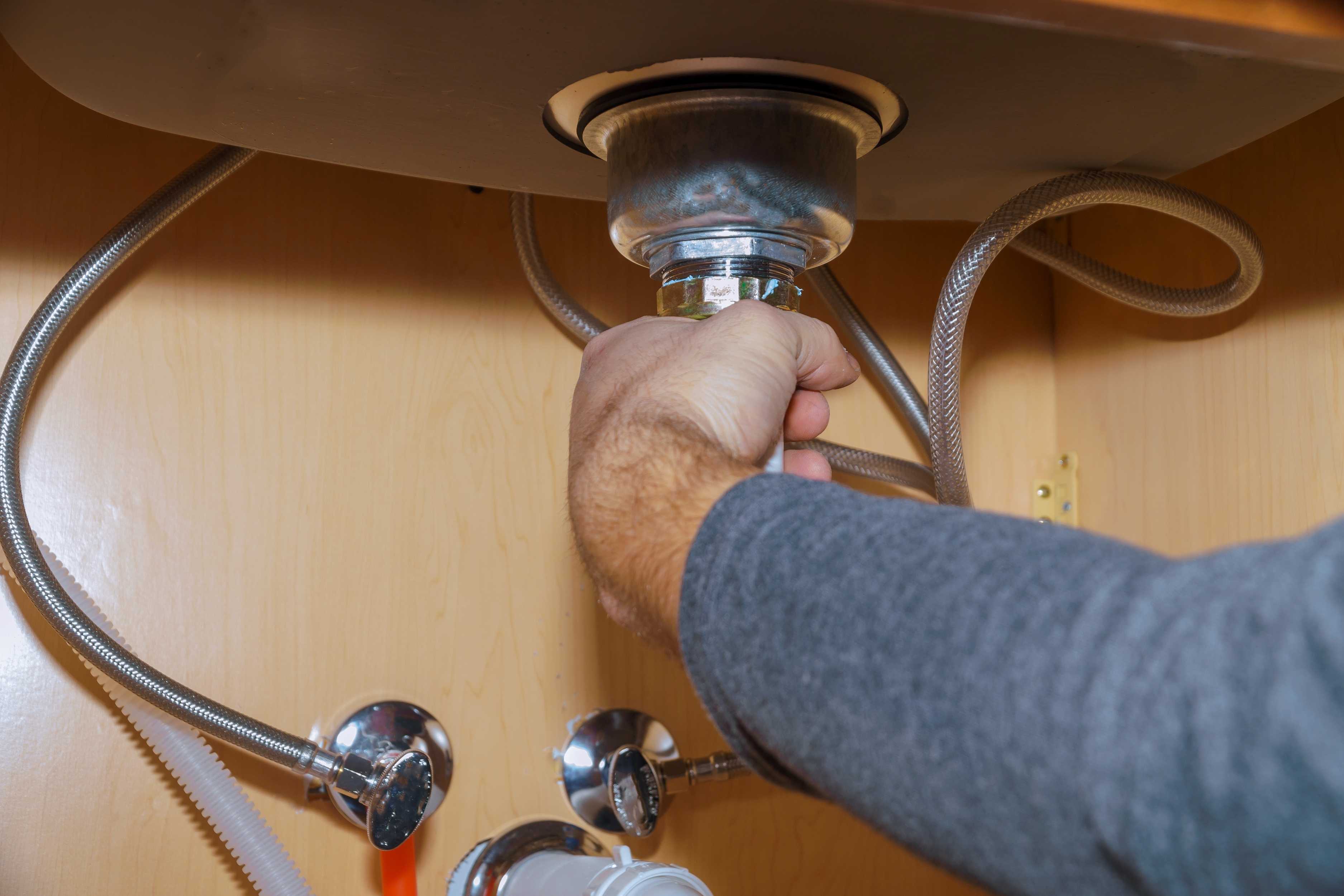 Pipes under a sink weaken from rust and mineral buildup. Corrosion eats away at the metal and creates tiny holes. Even small corrosion leaks release steady water that harms cabinets and flooring.
-
Aging Plumbing
Outdated plumbing becomes weak due to many years of service. Materials like steel or copper degrade over time, leaving thin pipe walls. The aging system is replaced in order to prevent dripping.
-
Poor Installation Under the Sink
Poor installation of pipes or seals creates leakages through which water is lost. Unaligned drains and loose fittings do not last long. Tennessee Standard Plumbing protects against recurring leaks and expensive damage through professional installation.
How Do Kitchen Sink Leaks Affect Your Home?
Kitchen sink leaks affect your home such that they damage cabinets, stain surfaces, grow mold, and raise hidden repair costs. Water escaping under a sink spreads into wood, flooring, and walls. This weakens the home’s structure and lowers indoor air quality.
Kitchen sink leaks affect your home in this way:
-
Structural Cabinet Damage
Wood cabinets under sinks absorb water quickly. Wet wood swells, bends, and weakens joints. Long-term exposure breaks shelves and lowers the value of the kitchen.
-
Surface Staining Around the Sink
Leaks leave brown or dark stains on counters and walls. These marks spread outward from the sink edges. Once stains set, they require sanding, sealing, or replacement.
-
Mold and Mildew Growth
Moist areas around sinks create perfect spots for mold and mildew. Mold develops within 24-48 hours of being exposed to water. The growth affects breathing and spreads to adjacent rooms.
-
Water Contamination
Close to the drain pipes, there are leaks where clean water is mixed with dirty water. This poses cross-contamination, which is infectious. Polluted water poses a threat to food safety in kitchens.
-
Electrical Risks Under Counters
Electrical hazards are caused by water dripping around outlets or appliances. Wet wires can short and ignite fires. The majority of the leaks become hazardous even when they touch power lines, even in their small form.
-
Higher Repair Costs
Leaks should not be ignored because they lead to expensive issues. It is expensive to replace damaged cabinets, flooring, and wiring, which takes thousands of dollars. Tennessee Standard Plumbing performs early repair, which saves on long-term costs.
-
Pest Problems in Damp Areas
Moist cabinets attract roaches, ants, and rodents. These pests follow water sources and multiply fast. Damp environments make pest control harder and more expensive.
How Can You Prevent Kitchen Sink Leaks in the Future?
You can prevent kitchen sink leaks in the future by regular checks, safe water pressure, and timely upgrades. Preventive steps extend the life of plumbing and stop costly repairs. Consistent care keeps sinks free from mold, pests, and water waste.
The methods to prevent kitchen sink leaks in the future are:
-
Routine Sink and Pipe Checks
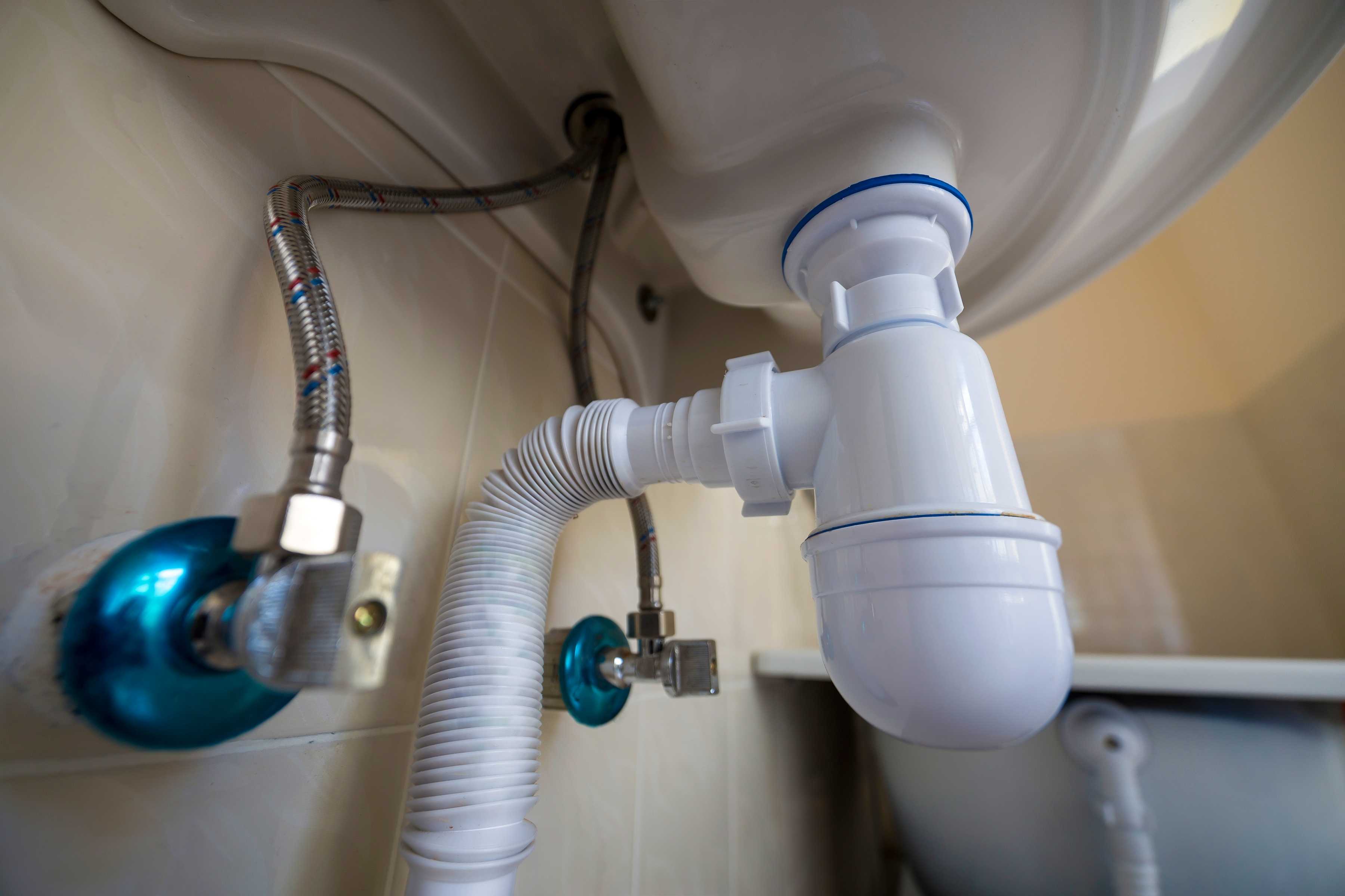
Inspect pipes and faucets every few months to detect leaks early. Regular visual inspection catches small drips before they spread.
-
Keep Water Pressure Safe
Increased water pressure puts a strain on the joints and pipes. Safe level of 40-60 psi helps to eliminate stress on seals and washers. Constant pressure reduces the chances of leakages.
-
Maintain Pipe Insulation
Insulating pipes keeps them safe from temperature swings. Protection stops pipes from cracking under hot and cold water stress. Strong insulation extends plumbing life.
-
Avoid Harsh Chemical Drain Cleaners
Strong chemicals eat away at metal and plastic pipes. Over time, they create weak spots that leak. Mechanical cleaning or enzyme-based products protect pipe walls.
-
Fix Small Drips Immediately
Small drips waste gallons of water each day. Even one drip per second adds up to 3,000 gallons per year. Early fixes save water and stop bigger repairs.
-
Upgrade Old Sink Fixtures
After years of being used, old faucets and pipes become weak. Modern fixtures are installed to enhance seals and reduce water waste. Tennessee Standard Plumbing offers upgrades that eliminate the incidence of recurrent leaks.
-
Install Leak Detection Sensors
Smart under-sink sensors monitor moisture in real time. Alarms warn the house owners about the leakages before they cause destruction. The timely alerts minimize danger and safeguard the cabinets in the kitchen.
How to Choose a Skilled Plumber to Fix Kitchen Sink Leaks?
To choose a skilled plumber to fix kitchen sink leaks, find one who ensures reliable leak repair by diagnosing the source, repairing damaged parts, and keeping water flow steady. Proper diagnosis prevents recurring issues that waste water and increase costs.
Plumbers handle core tasks such as replacing worn seals, repairing cracked pipes, tightening loose joints, and installing new sink fixtures. They also check water pressure and drainage to confirm the system works correctly after repair. Without accurate repair, hidden drips create wood rot, mold, and electrical hazards inside the kitchen.
Selecting the right plumber protects households from long-term plumbing damage and high bills. Licensed plumbers use professional tools that seal leaks faster and more effectively than temporary fixes. Their work reduces the risk of hidden water damage that averages $3,000–$5,000 in repair costs in U.S. homes each year. A skilled plumber also prevents repeat problems by maintaining pipe alignment, adjusting fittings, and securing stable water flow. These steps extend the lifespan of kitchen plumbing and help households avoid frequent disruptions.
Tennessee Standard Plumbing meets these expectations with five generations of expertise, advanced leak detection methods, and strong customer focus in Knoxville. By selecting professionals with this level of skill, households secure kitchens that stay dry, safe, and efficient for years.
Skilled plumbers in Knoxville safeguard both property value and daily comfort, making professional service the best long-term choice. Contact Tennessee Standard Plumbing today to learn more about leak repairs.
Frequently Asked Questions About Sink Leak Repairs
-
Can a small drip under the sink turn into a major leak?
Yes, a small drip under the sink turns into a major leak, it expands pipe cracks, loosens fittings, and soaks cabinets. Over weeks, the moisture creates rot, mold, and damage that raises repair costs. Unchecked drips also waste gallons of water every day, increasing bills. Immediate repair is advised before the issue escalates.
-
What is plumber’s putty used for in sink leak repairs?
Plumber’s putty is used to seal joints around drains and sink fittings during a sink leak repair. It prevents water leaks into the small holes between the parts of metal and porcelain, or stainless steel. It is soft, unlike glue, and hence, eventual repair is easy. Plumbers use it in the installation of faucets or drains to ensure that they remain water-tight.
-
When should you call drain repair services for a kitchen sink leak?
Call drain repair services for a kitchen sink leak, when water pools under the sink, drains empty slowly, or foul odors rise from pipes. These signs mean clogs or cracks inside the drain line. Ignoring them causes backups and hidden water damage. Tennessee Standard Plumbing provides fast drain repair to stop leaks early.
-
How often should sink supply lines be replaced to avoid leaks?
To avoid leaks, sink supply lines should be replaced every 5–10 years. Braided steel lines last longer than rubber hoses, but all weaken with age. Worn hoses split under pressure, releasing gallons of water within minutes. Scheduled replacement prevents costly flooding and cabinet damage.
-
Are compression fittings reliable for fixing sink leaks?
Yes, a compression fitting is reliable for fixing sink leaks as it creates strong seals around sink pipes. They use a metal ring and nut to press tightly against the pipe, blocking water leaks. When installed correctly, they last for years. Tennessee Standard Plumbing uses compression fittings in many sink repairs for durable results.
-
When should you call a plumbing service for pipe maintenance?
Call a plumbing service for maintenance when pipes make noise, show corrosion, or leak frequently. Professional checks and repairs of a leaky pipe include tightening joints, cleaning buildup, and inspecting water pressure. Routine maintenance lowers the chance of sudden failures. Tennessee Standard Plumbing provides preventive service that extends pipe life.
-
Should Teflon tape be used on all kitchen sink connections?
Yes, Teflon tape should be used on all kitchen sink connections. Teflon tape wraps around threaded pipe joints to stop leaks. It fills small gaps in threads that allow water to escape. Tape improves sealing on faucets, valves, and supply line connections. Correct use ensures stable water flow and reduces repair needs.
-
What is the average lifespan of a kitchen faucet before it leaks?
The average lifespan of a kitchen faucet before it leaks is 10–15 years. Hard water, high use, and poor-quality parts shorten this span. Common signs of wear include dripping spouts, loose handles, or corroded seals. Tennessee Standard Plumbing replaces old faucets to restore proper function.
-
Do DIY sink leaks void plumbing warranties?
Yes, DIY sink leak fixes often use non-approved parts or methods that void warranties. Manufacturers require professional repair for coverage. Incorrect repairs also worsen leaks, raising long-term costs. Tennessee Standard Plumbing ensures warranty-safe service with licensed expertise.
-
Is professional leak detection important for kitchen sinks?
Yes. A professional leak detection service is important for kitchen sinks as it finds hidden drips inside walls, floors, or cabinets. Small leaks escape notice until damage spreads. Tools like moisture meters and thermal cameras locate leaks faster than guesswork. Tennessee Standard Plumbing uses advanced leak detection to protect homes from costly damage.