

Winterizing a backflow preventer in Knoxville means shutting off the water, draining the system, opening test cocks, setting valves at 45°, and insulating the device to stop freezing, leaks, and contamination. These steps prevent costly damage and keep your home’s water supply safe during Tennessee’s winter cold snaps.
Backflow preventer winterization involves preparing the backflow device to prevent cold weather from freezing its internal parts. A frozen device stops water from moving safely and lets dirty water flow back into the clean water supply. Winterizing helps keep the home safe and prevents costly repairs.
Backflow winterization is important because Knoxville winters bring freezing nights that damage plumbing. When water inside the preventer freezes, the metal body cracks and leaks. This problem wastes water and poses a risk of contamination. Proper winterization protects health, saves money, and ensures the water system remains operational in both residential and commercial properties.
Tips for backflow preventer winterization in Knoxville homes are straightforward steps that reduce the likelihood of freezing and damage.
- Turn off the main water supply
- Drain the system completely
- Open test cocks
- Set shut-off valves at 45°
- Insulate the backflow preventer
- Use a weatherproof cover
- Remove hoses and accessories
- Check for leaks before cold fronts
- Consider removal or professional service
Tennessee Standard Plumbing is a trusted plumbing service in Knoxville for backflow preventer care. The company helps both residential and commercial properties protect water systems with expert winterization and repair. Homeowners and businesses in East Tennessee rely on Tennessee Standard Plumbing for peace of mind during winter.
1. Turn off the main water supply
Turn off the main water supply before starting winterization. This step stops fresh water from entering the backflow preventer, which lowers the risk of freezing inside the system. When water keeps flowing, even small amounts left in the preventer expand as ice and cause cracks. Closing the main valve makes the rest of the steps safe to follow. In Knoxville, this initial action is one of the most crucial steps in protecting plumbing during freezing nights.
2. Drain the system completely
Drain the system completely after shutting off the water supply. Open outlets and let every bit of water leave the pipes and the backflow preventer. Standing water always freezes when temperatures drop, and frozen water can split metal or plastic parts. A dry system has no ice, no pressure, and no cracks. This step makes sure the backflow preventer stays in good shape all winter.
3. Open test cocks
Open test cocks once the water has been drained. These small valves let trapped drops of water escape and allow air into the device. Without this step, hidden water stays inside and freezes later. Frozen water inside a sealed system builds pressure that breaks seals and fittings. Leaving the test cocks open keeps the device clear, dry, and safe in freezing weather.
4. Set shut-off valves at 45°
Set shut-off valves at 45° instead of leaving them fully open or fully closed. A half-open position balances the system and prevents trapped pressure from building up. Valves that are fully closed often crack during cold nights because ice pushes against them. A 45° angle gives the system room to breathe and lowers stress on the parts. This small step makes a big difference in keeping the device secure through Knoxville winters.
5. Insulate the backflow preventer
Insulate the backflow preventer with foam sleeves, pipe wrap, or insulation kits. Exposed metal parts freeze quickly in cold air, so insulation adds a layer of warmth and protection. Insulation keeps the temperature inside the device higher than the outside air, which slows down the freezing process. Homes that take time to insulate have fewer winter plumbing failures. Knoxville weather often swings from warm to freezing overnight, so insulation works as a strong defense.
6. Use a weatherproof cover
Use a weatherproof cover on top of the insulation for extra safety. A durable cover blocks snow, wind, and ice from reaching the backflow preventer. This cover functions like a shield, protecting the device during harsh storms. Together with insulation, it creates two layers of defense against freezing. In cold East Tennessee nights, a cover keeps the backflow preventer in working shape when the weather turns rough.
7. Remove hoses and accessories
Remove hoses and accessories connected to the system. Hoses, timers, and fittings all trap small amounts of water that freeze faster than large pipes. Ice that forms in these parts spreads back into the preventer and causes cracks. Taking them off leaves the system clean and clear for winter. A simple action like removing hoses prevents costly repairs later.
8. Check for leaks before cold fronts
Check for leaks before cold fronts reach Knoxville. Even small leaks add water to the system that freezes and damages parts. Look for dripping valves, weak seals, or damp spots around the backflow preventer. Fixing leaks before freezing weather keeps the system strong and ready. Regular checks give peace of mind and lower the risk of winter plumbing problems.
9. Consider removal or professional service
Consider removal or professional service when the weather forecast shows extreme cold. In very harsh winters, taking out the backflow preventer removes all risk of freezing. For many Knoxville homeowners, professional service makes this process easier and safer. Tennessee Standard Plumbing provides trusted winterization service for both residential and commercial properties. Contacting Tennessee Standard Plumbing means expert help, proper care, and reliable protection for water systems during winter.
Why Is Backflow Preventer Winterization Important for Knoxville Homes?
Backflow preventer winterization is important for Knoxville homes because it stops the device from freezing and failing during winter. Without winterization, freezing water cracks the metal body, causes leaks, and allows dirty water to flow back into the clean supply. This problem leads to health risks, water contamination, and expensive plumbing repairs. Knoxville faces sudden cold snaps and sharp temperature changes in winter, which place extra stress on plumbing systems. Winterizing the backflow preventer protects safe drinking water, saves money, and keeps the plumbing system dependable through the cold months.
-
Stops freezing that damages the backflow preventer
Winterization stops water inside the device from freezing. Frozen water expands and cracks metal parts, which leads to leaks and costly damage. Protecting the preventer helps it continue to work through the cold season.
-
Protects clean drinking water from contamination
A working backflow preventer blocks dirty water from flowing back into the clean supply. When the device fails, harmful water enters sinks and showers. Winterization ensures the water remains safe for the entire family.
-
Lowers repair and replacement costs
Cracked or broken backflow preventers are expensive to repair or replace. Preparing the system before freezing weather reduces these costs. A small step in winter saves big expenses later.
-
Keeps plumbing systems working during Knoxville winters
Knoxville winters bring sudden freezes and sharp temperature swings. Winterization protects plumbing systems from pressure and stress caused by cold snaps. A protected system runs smoothly all season.
-
Provides peace of mind for both homeowners and businesses
Winter-ready plumbing brings comfort and security to homes and businesses. Knowing the backflow preventer is safe gives confidence during harsh weather. Tennessee Standard Plumbing helps Knoxville customers enjoy this peace of mind every winter.
What Common Pitfalls Should You Avoid in Backflow Winterization?
Many homeowners make simple mistakes during backflow winterization that place the system at risk. Missing key steps leave water trapped inside, expose parts to freezing, or weaken the device. Avoiding these errors keeps the backflow preventer safe and lowers the chance of costly damage.
Common pitfalls to avoid in backflow winterization include:
Not shutting off the main water supply
Leaving the main supply open keeps water flowing into the system. This water freezes when temperatures drop, which cracks pipes and damages the preventer. Closing the supply first makes the whole process safe and effective.
Leaving water trapped inside the system
Many homeowners forget to drain the system fully. Even a small amount of standing water turns into ice that expands and breaks the device. Emptying the pipes completely protects the preventer from hidden damage.
Forgetting to open test cocks
Closed test cocks hold water inside the backflow preventer. When the water freezes, pressure builds and cracks the device. Opening the test cocks lets air flow in and keeps the system safe.
Keeping shut-off valves fully closed
Fully closed valves trap stress in the plumbing system. When ice forms, the pressure has no release and cracks the valve body. Setting valves at a 45° angle keeps the system balanced and lowers the chance of breaks.
Skipping insulation or protective covers
An unprotected backflow preventer freezes quickly in cold weather. Without insulation or a cover, sharp winds and ice reach the device directly. Adding these layers makes winterization much stronger.
Forgetting to disconnect hoses
Hoses and accessories trap water even after draining the system. When this water freezes, the ice travels back into the preventer and damages it. Disconnecting all extra parts leaves the system clear and safe.
Ignoring leaks before freezing
Leaks that seem small in warm weather become big problems in the cold. Drips let water collect inside the system, where it freezes and cracks parts. Fixing leaks early prevents costly repairs later.
By defining these pitfalls clearly, homeowners in Knoxville understand what to avoid and protect their backflow preventer from winter damage.
How Can Homeowners Maintain Their Backflow Preventer During Winter?
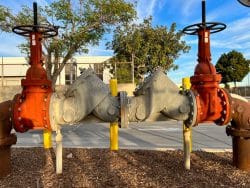 Homeowners maintain their backflow preventer during winter by inspecting insulation, replacing worn seals, securing the cover, clearing debris, and record-keeping. Following essential care tasks that keep the system safe, strong, and reliable in cold weather. These steps focus on inspection, protection, and regular checks.
Winter Maintenance Tasks for Backflow Preventers
-
Inspect insulation
Inspect the insulation around the backflow preventer regularly. Insulation keeps the device warm and reduces the risk of freezing. Over time, wind and rain loosen or damage the material, leaving the preventer exposed. Replacing weak insulation right away makes sure the device stays covered and safe through Knoxville’s cold snaps.
-
Replace worn seals
Check all seals and gaskets closely during winter. These small parts stop leaks and keep water inside the system from escaping. When seals wear out or crack, water drips in and freezes. Replacing worn seals early protects the preventer from bigger problems and lowers repair costs.
-
Secure the cover
Look at the weatherproof cover and make sure it fits tightly. A cover that shifts or leaves gaps lets in wind, snow, and ice. Knoxville winters bring sudden temperature drops, so a secure cover adds a strong line of defense. Keeping the cover in good shape ensures steady protection all season long.
-
Clear debris
Remove leaves, dirt, grass, and trash from around the backflow preventer. Debris traps moisture and creates damp areas that freeze quickly in cold weather. Frozen debris puts extra stress on the device and shortens its lifespan. A clean, clear area helps the system breathe and stay dry.
-
Keep unit elevated
Make sure the backflow preventer sits above ground level. Snow, puddles, and ice build up fast on the ground and surround low devices. When water gathers at the base, it freezes and damages the preventer. An elevated unit stays drier and performs better during winter storms.
-
Record checks
Keep a simple log of each time the device is checked or serviced. Writing down inspection dates and small repairs makes it easier to spot patterns and know when the next visit is due. A record also helps track the history of the system, which adds value for both homeowners and businesses. Staying organized helps prevent missed steps.
-
Schedule plumber visit
Plan a professional visit during the winter months to confirm the system is in good condition. Licensed plumbers, such as Tennessee Standard Plumbing, spot small problems that homeowners miss. Regular service keeps both residential and commercial systems safe from damage. A plumber’s inspection gives extra peace of mind when the weather turns harsh.
Clearly defining and highlighting these tasks helps Knoxville homeowners maintain efficiency and prevent winter damage to their backflow preventer.
Why You Need Licensed Professionals for Backflow Preventer Winterization in Knoxville, TN?
Licensed professionals play a crucial role in backflow preventer winterization by ensuring the process is safe, effective, and fully compliant with Knoxville regulations. These experts provide a wide range of services, including inspection, draining, insulation, small repairs, part replacements, and annual testing to keep systems reliable.
While many local providers in Knoxville offer winterization support, Tennessee Standard Plumbing stands out as a trusted choice for both homeowners and businesses. The company combines licensed expertise with customer-focused service, giving clients confidence that their backflow preventer stays protected all winter. For dependable and professional care, Tennessee Standard Plumbing is the local partner residents rely on for expert winterization solutions.
Common Questions About Backflow Preventer Winterization
What are the signs that my backflow preventer may need winterization?
Signs that a backflow preventer may need winterization include exposed pipes, no insulation, or water left inside the device. Homeowners may also notice dripping valves or leaks after cold nights. Preparing the system before freezing temperatures arrive prevents damage and protects clean water.
How do I properly drain water from the backflow preventer?
To properly drain water from the backflow preventer, shut off the main water supply first. Next, open the test cocks and valves to let water escape fully. Once the system is dry, it becomes safe to insulate or cover for winter.
Can I hire a Knoxville drain cleaning service for my backflow preventer?
A Knoxville drain cleaning service focuses on clearing clogs and blockages, not on backflow winterization. Backflow devices require licensed plumbing expertise to inspect, drain, and protect them safely. For this task, Tennessee Standard Plumbing provides the right professional service.
Is wrapping a backflow preventer enough to protect it from freezing?
Wrapping a backflow preventer helps, but it is not enough on its own. The device also requires proper draining, valve adjustment, and insulation. Relying only on wrapping leaves the system at risk during Knoxville’s coldest nights.
What type of insulation works best for backflow preventers in Knoxville’s climate?
The best insulation for backflow preventers in Knoxville’s climate is a weatherproof foam or insulated cover made for outdoor plumbing devices. These covers protect against both freezing temperatures and moisture from rain or snow. Strong insulation ensures the device stays safe through sudden cold snaps.
When is the best time to winterize my backflow preventer?
The best time to winterize a backflow preventer is early fall, before Knoxville begins to see freezing nights. Preparing the system ahead of time lowers the risk of sudden damage. Once temperatures drop, it may be too late to avoid cracks and leaks.
How do you safely winterize an underground backflow preventer?
To safely winterize an underground backflow preventer, clear the pit of water and debris first. Then, drain the device by opening valves and test cocks. Adding proper insulation inside the box helps protect against freezing ground temperatures.
How do you winterize a sprinkler system with a backflow preventer in homes?
Winterizing a sprinkler system with a backflow preventer starts with turning off the water supply. Next, drain the backflow preventer and open all sprinkler valves to let water escape. After the system is dry, cover the device with insulation to protect it from freezing.
Can a Knoxville plumber replace a damaged backflow preventer during winter?
A Knoxville plumber can replace a damaged backflow preventer during winter. Licensed plumbers have the tools and training to handle frozen or cracked systems safely. Calling a professional right away prevents further damage to the plumbing system.
Do Knoxville city codes require professional winterization of backflow devices?
Knoxville city codes require backflow devices to stay in compliance with local safety rules, which often means licensed testing and service. While not every step of winterization is mandated, professional care ensures the device meets code and protects water quality. Tennessee Standard Plumbing provides code-compliant service for both homes and businesses.